
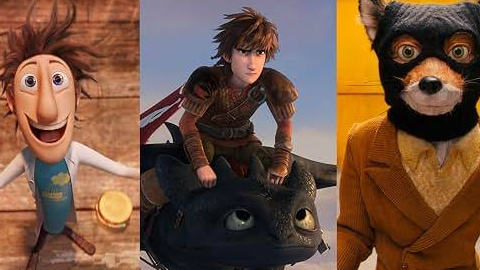
Books and animated movies have always had a close relationship, with many beloved tales making their way from the page to the screen. These adaptations not only bring stories to life with vibrant visuals but also introduce them to new audiences. In this blog post, we’ll explore some notable book-to-animated movie adaptations, their significance, and how they resonate with viewers.
1. Classic Children’s Literature Transformed
Classic children’s literature often finds a new lease on life through animated adaptations. Titles like “The Little Prince” and “Alice in Wonderland” have historically captured the imaginations of generations, and their cinematic versions do much to accentuate the whimsical elements of these tales. For example, the animated adaptation of “The Little Prince” not only brings the enchanting visuals of Antoine de Saint-Exupéry’s story to life but also deepens the emotional narrative with additional characters that complement the original storyline.
These animated adaptations can serve as both introductions and enhancers to the original texts. They allow younger audiences to engage with literature in an accessible form, often resulting in a lifelong love for reading. Furthermore, these movies can create discussions as families can compare the book’s content with its animated interpretation, fostering critical thinking and discussions about storytelling.
-
- Look for animated versions of your child’s favorite books.
-
- Discuss similarities and differences between the book and its adaptation.
-
- Encourage children to read the book after watching the movie.
-
- Explore adaptations from different cultures for a broader perspective.
2. Contemporary Novels Making the Leap
Recent novels have also found their way to the animated movie realm with great success. For instance, “The Breadwinner,” based on the book by Deborah Ellis, tells the compelling story of a young Afghan girl who disguises herself as a boy to support her family. The film remains faithful to the theme of resilience and female empowerment while adding vivid animation to enhance emotional depth. This approach not only captures the essence of the original book but also adapts it for visual storytelling.
Another noteworthy adaptation is “Where the Wild Things Are,” originally a picture book by Maurice Sendak. The animated adaptation showcases the wild artistry of Sendak while exploring themes of childhood and imagination in a way that resonates with adult viewers as well. Such adaptations often encourage audiences to reflect on deeper themes and emotional connections inherent in the original works, thus expanding their reach and relevance.
-
- Read the original novel before watching the movie for a richer experience.
-
- Pay attention to how characters are portrayed differently in the film.
-
- Engage in discussions about the themes presented in both formats.
-
- Check out behind-the-scenes documentaries about the adaptation process.
3. The Importance of Animation Styles in Adaptations
Animation styles play a crucial role in how stories are perceived and conveyed. Different styles can evoke various emotions, greatly impacting the audience’s connection to the narrative. For instance, the soft, gentle animation of “My Neighbor Totoro” invites viewers into a serene landscape filled with wonder and nostalgia. Such an aesthetic perfectly complements the themes of childhood innocence and adventure found in the original story by Astrid Lindgren.
Conversely, the more dynamic and action-packed animation found in adaptations like “Spider-Man: Into the Spider-Verse” breaks new ground in visual storytelling. This film, based on the comic books, utilizes unique animation techniques that not only pay homage to its roots but also reshape how superhero stories can be presented. The visually striking style captivates a new generation while staying loyal to the core essence of the Spider-Man mythos.
-
- Explore different animation styles to discover what resonates most with the narrative.
-
- Watch films that utilize various techniques and styles to broaden your understanding.
-
- Analyze the impact of animation on your emotional response to the story.
-
- Consider the cultural context of different animation styles when viewing adaptations.
4. Bridging Generations through Storytelling
Adapting books into animated films can serve as a bridge connecting generations. Older audiences can share stories from their childhood with younger viewers through contemporary animated adaptations of classic literature. For example, Disney’s animated version of “The Jungle Book,” based on Rudyard Kipling’s stories, not only introduces a new generation to an older tale but also instills a sense of nostalgia in adults who grew up with the original. The lively characters and colorful animation provide a shared experience for families.
Moreover, animated adaptations often spark interest in reading among younger viewers, encouraging them to explore the written works of their favorite films. As new films are released, discussions about the original books can increase family interactions and prompt children to dive deeper into literature. This cyclical sharing becomes a vital part of cultural transmission between generations.
-
- Share your favorite childhood book adaptations with younger generations.
-
- Encourage family movie nights that feature book-based films.
-
- Discuss how personal experiences shape interpretations of the stories.
-
- Plan reading sessions of the original texts together as a family.
In conclusion, the adaptation of books into animated movies breathes new life into timeless stories and cultivates a love for literature among diverse audiences. As viewers, whether young or old, these adaptations can inspire us to read the original texts, enhancing our understanding and enjoyment of a storytelling tradition that transcends generations. So, why not pick up a book today and see how its animated version brings the story to life? You might discover a whole new perspective!