
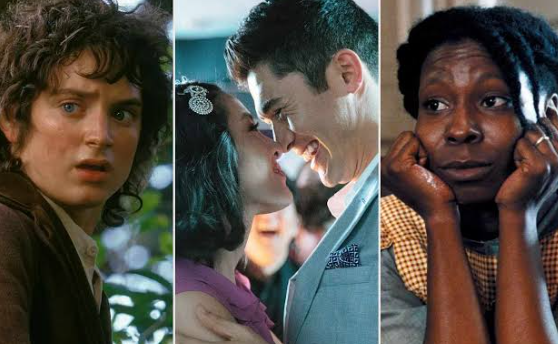
Thrilling narratives and gripping plots make thriller novels perfect candidates for cinematic adaptations. Many unforgettable movies have stemmed from these literary creations, translating page-turning excitement onto the big screen. In this blog post, we will explore some of the best thriller novels adapted into films, highlighting why these stories have captivated both readers and moviegoers alike.
1. Gone Girl
Written by Gillian Flynn, “Gone Girl” took the literary world by storm before being transformed into an exceptional film directed by David Fincher. The story revolves around the mysterious disappearance of Amy Dunne, and its suspense lies in the unreliable narration of her husband, Nick. The novel dives deep into themes of marriage, media influence, and the duality of human nature, leading viewers on a roller coaster of emotions as the truth unfolds.
The film adaptation mirrors the thrilling intricacies of the novel while adding a visual layer that intensifies the suspense. Rosamund Pike’s portrayal of Amy Dunne is particularly noteworthy, earning her an Academy Award nomination, while Ben Affleck’s performance as Nick captures the complexities of a man under immense public scrutiny. The striking cinematography and chilling score also contribute to an atmosphere that keeps audiences on the edge of their seats.
-
- Read both the book and the film to appreciate the differences.
-
- Pay attention to character development in both versions.
-
- Discuss with friends to gain multiple perspectives.
-
- Consider the ending and how each medium delivers it.
2. The Girl with the Dragon Tattoo
Steig Larsson’s “The Girl with the Dragon Tattoo” awed readers with its powerful characters and intricate plot revolving around mystery and revenge. The book follows journalist Mikael Blomkvist and hacker Lisbeth Salander as they investigate the disappearance of a wealthy industrialist’s niece. The blend of crime, family secrets, and social commentary creates a compelling narrative that translates effectively onto the screen.
The film adaptations, both the Swedish version and the American remake directed by David Fincher, highlight the stark visual aesthetics essential to the dark tone of the story. Rooney Mara’s performance as Lisbeth Salander is particularly haunting, bringing to life a character marked by resilience and complexity. The intense pacing and gripping visuals make both adaptations a must-watch for thriller aficionados.
-
- Compare the two film adaptations to see differing directorial styles.
-
- Explore the backstory of Larsson’s characters for deeper understanding.
-
- Dive into the themes of social justice portrayed in the plot.
-
- Engage with online forums to share insights and interpretations.
3. The Silence of the Lambs
Thomas Harris’s “The Silence of the Lambs” is a masterclass in psychological thriller, featuring two iconic characters: FBI trainee Clarice Starling and the brilliant yet terrifying Dr. Hannibal Lecter. The chilling cat-and-mouse game between Starling and Lecter creates an atmosphere ripe for suspense, as Starling seeks to catch a serial killer while navigating her own fears.
The film adaptation, directed by Jonathan Demme, is a seminal piece of cinema that received five Academy Awards, including Best Picture. Jodie Foster’s portrayal of Starling and Anthony Hopkins’ chilling performance as Lecter have become legendary. The film’s use of close-up shots and tension-filled dialogue not only reflects the narrative but also the internal struggles of its characters, deepening the emotional stakes.
-
- Watch the movie with a focus on character dynamics.
-
- Analyze the psychological elements present in both versions.
-
- Consider the film’s historical impact on the thriller genre.
-
- Read critiques to appreciate cinematic techniques used.
4. Shutter Island
Dennis Lehane’s “Shutter Island” is a psychological thriller that challenges perceptions of reality and madness. The story follows U.S. Marshal Teddy Daniels as he investigates the disappearance of a patient from a mental institution. Lehane’s exploration of themes such as trauma and the fragility of the human mind creates a deeply engaging narrative that grips readers and viewers alike.
Martin Scorsese’s film adaptation stars Leonardo DiCaprio as Teddy Daniels, delivering a riveting performance that immerses viewers in his unraveling psyche. The film enhances the novel’s themes through a dark, atmospheric setting and unexpected twists. The haunting score and striking cinematography contribute to a sense of unease that lingers long after viewing.
-
- Revisit the book after watching the film for deeper insights.
-
- Discuss the film’s twist ending and its implications.
-
- Explore similar psychological thrillers to find new favorites.
-
- Analyze how Scorsese’s style shapes the narrative.
5. Basic Instinct
Written by Joe Eszterhas, “Basic Instinct” is a provocative thriller that explores themes of sexuality, obsession, and murder. The plot centers around a detective investigating the murder of a rock star, who becomes entangled with a seductive suspect played by Sharon Stone. The story’s electrifying tension and morally ambiguous characters drive the excitement and suspense forward.
-
- Reflect on the film’s cultural significance when released.
-
- Investigate how the adaptation changed perceptions of thrillers.
-
- Consider the nuances of character motivations in both forms.
-
- Debate the ethical implications presented in the storyline.
As we’ve seen, many thrilling novels have been brought to life with stunning adaptations that captivate audiences. Whether it’s through suspenseful narrative techniques or compelling performances, these films offer a unique experience that enhances the original stories. So why not dive into a thriller novel and then enjoy its cinematic counterpart? You might uncover fascinating insights along the way!