
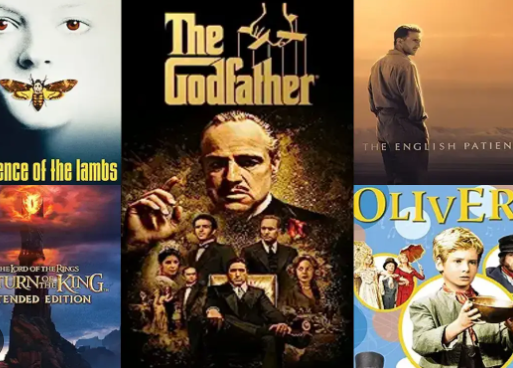
There’s a unique charm in watching a movie that originated from a beloved book. Literary adaptations can offer a fresh perspective, often breathing new life into characters and settings. Here, we dive into fascinating examples of books that were transformed into award-winning films, celebrating their literary roots alongside their cinematic achievements.
1. To Kill a Mockingbird
Harper Lee’s “To Kill a Mockingbird,” published in 1960, is a profound narrative that tackles themes of racial injustice and moral growth in the Deep South. The 1962 film adaptation, starring Gregory Peck as Atticus Finch, won three Academy Awards, including Best Actor for Peck. The film remains a classic, lauded for its powerful storytelling and emotional depth.
The movie captures the essence of Lee’s novel while condensing many pivotal moments into a runtime that can keep audiences engaged. It adapts the voice of young Scout Finch, making sure her perspective shapes the story. Through its compelling performances and cinematography, the film reaffirms the complexities of human nature and the fight against prejudice.
-
- Read the book before watching the film to appreciate the nuances.
-
- Take note of major characters and their development.
-
- Discuss how the film’s portrayal differs from the book.
-
- Reflect on the themes and their relevance today.
2. The Godfather
Mario Puzo’s novel “The Godfather” debuted in 1969 and became an instant classic, rich with tales of family loyalty, crime, and power struggles. The film adaptation, released in 1972, directed by Francis Ford Coppola, received three Academy Awards, including Best Picture. This movie not only set a benchmark for gangster films but also altered the landscape of American cinema.
The Godfather uses the intricate narrative of the Corleone family to explore themes of loyalty and betrayal. With iconic performances by Marlon Brando and Al Pacino, the film brings to life the complexities of organized crime while showcasing the personal dilemmas of its characters. It remains a quintessential example of how a book can evolve into visual art while retaining its core message.
-
- Analyze character arcs and their motivations.
-
- Consider the cultural influence of the film on the genre.
-
- Compare the narrative style of the book to the pacing of the film.
-
- Explore the cinematography and music choices that enhance storytelling.
3. The Silence of the Lambs
Thomas Harris’s “The Silence of the Lambs” was published in 1988, introducing readers to the chilling character of Hannibal Lecter. The film adaptation, released in 1991 and directed by Jonathan Demme, received five Academy Awards, including Best Picture, Director, Actor (Anthony Hopkins), and Actress (Jodie Foster). Its gripping storyline and psychological depth earned it a revered place in cinema history.
The film effectively translates the psychological tension and horror present in the book to the screen, highlighting the dynamic between FBI trainee Clarice Starling and the cunning Dr. Lecter. The character development and performances create a tension that has captivated audiences, making both the book and film a must-experience for fans of psychological thrillers.
-
- Explore the complex relationships between characters.
-
- Discuss how the themes of manipulation and control manifest in both mediums.
-
- Examine the atmospheric elements of the film that heighten suspense.
-
- Reflect on societal perceptions of crime portrayed in both works.
4. The Shawshank Redemption
Originally a novella titled “Rita Hayworth and Shawshank Redemption” by Stephen King, published in 1982, the film adaptation released in 1994 became a cultural phenomenon. Despite receiving only a couple of Oscars, it has since been hailed as one of the greatest films of all time, known for its themes of hope, friendship, and resilience.
Director Frank Darabont found a way to capture the enduring spirit of Andy Dufresne, played by Tim Robbins, in a way that resonates with viewers profoundly. The story unfolds within the grim walls of Shawshank Prison, yet it’s the bond between Andy and fellow inmate Red, played by Morgan Freeman, that elevates the narrative from mere survival to profound life lessons.
-
- Focus on the theme of hope and its representation in both book and film.
-
- Discuss how setting impacts character development.
-
- Reflect on the use of symbolism in both versions.
-
- Analyze the narrative techniques used by both King and Darabont.
Books adapted into award-winning films not only enhance the original narratives but also leave a lasting impression on audiences. Whether you read the book first or watch the film, each experience adds a rich layer of understanding to the story. Dive into these adaptations and enjoy the intricate worlds they create together!