
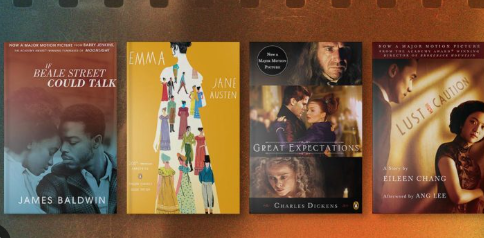
In a world rich with storytelling, many modern novels have successfully transitioned to the big screen, captivating audiences through both pages and frames. These adaptations often introduce new fans to the source material while giving existing readers an exciting visual experience. Let’s delve into some standout novels that made their mark as films.
1. The Fault in Our Stars
John Green’s “The Fault in Our Stars” revolves around two teenagers who meet in a cancer support group. Their unique love story challenges the typical expectations associated with illness, offering both humor and heartbreak. The 2014 film adaptation, featuring Shailene Woodley and Ansel Elgort, captured the essence of the novel while resonating deeply with its audience.
The film stays true to the emotional depth of the original text, successfully portraying the characters’ struggles and triumphs. The poignant dialogue and carefully scripted moments translate beautifully, keeping both fans of the book and newcomers engaged. The stunning cinematography adds layers to their story, making their love feel tangible and real.
-
- Read the novel before viewing the film for a richer experience.
-
- Pay attention to the character dynamics that differ between book and film.
-
- Note the scenes that were adapted differently or left out entirely.
-
- Reflect on how the cinematography enhances or alters your perception of the story.
2. The Martian
“The Martian,” written by Andy Weir, tells the gripping tale of Mark Watney, an astronaut stranded on Mars. Both the novel and the 2015 film, featuring Matt Damon, focus on Watney’s ingenuity, humor, and sheer determination to survive against overwhelming odds. The adaptation remains faithful to the science-driven narrative, appealing to both science-fiction fans and general audiences alike.
The film effectively employs its visual effects to create a realistic depiction of Mars, bringing to life Weir’s detailed descriptions. Audiences are treated to breathtaking landscapes combined with moments of intense drama and lighter, comedic elements that keep the story engaging. The brilliant direction by Ridley Scott and the compelling screenplay contribute to a viewing experience that’s as exhilarating as reading the novel.
-
- Appreciate the scientific accuracy woven seamlessly into the story.
-
- Examine how the film visually depicts Watney’s struggles and triumphs.
-
- Identify the humorous elements that enhance character development.
-
- Compare the pacing and tension between the book and the film.
3. Big Little Lies
Originally a novel by Liane Moriarty, “Big Little Lies” takes on complex themes of motherhood, friendship, and domestic abuse within a suburban backdrop. The HBO mini-series adaptation breathes new life into the story, featuring powerhouse performances from Reese Witherspoon, Nicole Kidman, and Shailene Woodley. Though the series extends beyond the plot of the novel, it maintains the original’s strong character-driven narrative.
The adaptation explores narrative threads that the book only hints at, allowing for deeper character development. The show’s cinematography showcases the gorgeous California setting, which builds an atmosphere that perfectly contrasts the underlying tension. With its suspenseful storytelling, the film adaptation not only aligns with the themes of the novel but also expands upon them, resulting in a compelling viewing experience.
-
- Consider how the extended format allows for character exploration.
-
- Observe how cinematography enhances the emotional tone of the story.
-
- Discuss the themes presented in both the novel and adaptation.
-
- Look for differences in character interactions and plot resolutions.
4. Gone Girl
Gillian Flynn’s “Gone Girl” is a masterclass in psychological thrillers, following the disappearance of Amy Dunne and the subsequent media frenzy surrounding her husband, Nick. The 2014 film directed by David Fincher captures the book’s taut narrative while delving into themes of marriage and deception. Ben Affleck and Rosamund Pike’s performances were notably well-received, adding layers of intensity to the plot.
One of the film’s strengths lies in its ability to maintain the novel’s tension and unreliable narration. Flynn not only writes the screenplay but also retains her trademark twists and dark humor, allowing viewers to experience the story’s layers. Both the book and film provoke deep discussions regarding societal perceptions of gender, marriage, and truth, making them powerful pieces of commentary.
-
- Engage in discussions about the themes and social commentary presented.
-
- Reflect on how narrative perspective changes between book and film.
-
- Analyze character portrayals and motivations, noting any changes.
-
- Be aware of how mood and tension are built through cinematic techniques.
In conclusion, the successful adaptation of these modern novels into films reflects the power of storytelling across different mediums. Whether you’re a film buff, a book lover, or both, consider diving deeper into these narratives, examining the nuances that make each version special. Next time you watch a film adaptation, take the time to compare it with its literary counterpart—it may offer insights you never expected!