
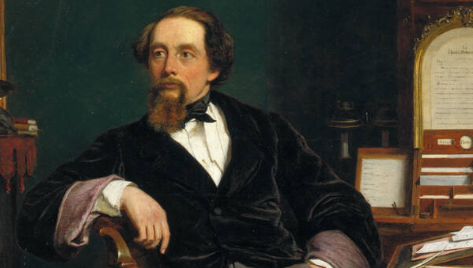
The popularity of Charles Dickens in Victorian Britain was nothing short of phenomena. His unique storytelling skills combined with a deep understanding of societal issues resonated with readers across various social classes, making his works a staple of the era.
1. The Social Context of Dickens’ Appeals
During the Victorian era, Britain experienced widespread social changes, including the Industrial Revolution and urbanization. Dickens’s novels often highlighted the struggles of the working class, drawing attention to the harsh realities of life for the impoverished. His characters embodied the very essence of these experiences, making them relatable to vast audiences who recognized their own challenges in his narratives.
Books such as “Oliver Twist” and “David Copperfield” unveiled the injustices faced by the lower classes. Dickens portrayed the dire circumstances of orphans, the desperately poor, and the corrupted social systems. His vivid portrayal of Victorian society enabled readers to confront uncomfortable realities, and instead of turning a blind eye, they became advocates for change.
-
- Explore the themes in Dickens’ novels by reflecting on your own experiences.
-
- Read Dickens alongside historical documents to understand the era better.
-
- Discuss issues of class and social justice with others to deepen insight.
-
- Attend lectures or join book clubs focused on Victorian literature.
2. Serialization and Public Engagement
Another factor contributing to Dickens’ popularity was the method of serialization. Many of his novels were published in monthly installments, enabling readers to engage with the story over time. This not only built anticipation but also allowed for immediate public feedback, which Dickens often integrated into future installments, making readers feel directly involved in the narrative process.
Serialization created a sense of community among readers who eagerly awaited the next chapter. Newspapers and magazines would often provide summaries and analyses, allowing those who might not be able to read every installment to stay informed. This interactive reading experience helped cement Dickens’ status as a beloved author, as readers felt connected to both the characters and each other.
-
- Join a serialization reading group to replicate Dickens’ contemporary experience.
-
- Start a blog or social media thread discussing each part of a Dickens novel.
-
- Compile fan theories and discussions to encourage deeper engagement.
-
- Consider how modern serialized storytelling (like TV shows) mirrors Dickens’ methods.
3. Character Development and Themes
Dickens was known for his rich character development and intricate themes. He created memorable characters such as Ebenezer Scrooge and Pip, who have become cultural icons. These characters often undergo significant transformations, leading readers through emotional and moral journeys that reflect broader societal issues.
The recurring themes of redemption, the struggle against social injustice, and the importance of compassion resonate deeply even today. Dickens excelled in crafting narratives that combined humor and pathos, allowing readers to connect emotionally with his stories. His diverse cast of characters, ranging from the villainous to the whimsical, kept audiences captivated and entertained.
-
- Identify a recurring theme in a Dickens novel and discuss it with a friend.
-
- Create character profiles to analyze their development throughout the story.
-
- Write your own short story inspired by a Dickensian character archetype.
-
- Reflect on how Dickens’ themes apply to contemporary societal issues.
4. Dickens’ Influence Beyond Literature
The impact of Dickens extended far beyond the pages of his novels. He became a prominent figure in public life, advocating for social reforms. His voice was a powerful tool against child labor and illiteracy, and he was actively involved in charitable organizations. Dickens’ commitment to social causes galvanized public support and brought about changes that improved conditions for the less fortunate.
His influence can be seen in numerous adaptations of his works into films, plays, and other artistic formats, ensuring that his messages continue to reach new audiences. Even today, references to his characters and plots are embedded in popular culture, demonstrating the enduring legacy of his writing and moral philosophy.
-
- Engage with adaptations of Dickens’ works, like movies and stage plays.
-
- Participate in or volunteer for charities that address social issues Dickens highlighted.
-
- Research how Dickens influenced other authors and contemporary literature.
-
- Explore the significance of Dickens’ advocacy in today’s social justice movements.
In summary, the popularity of Charles Dickens in Victorian Britain can be attributed to his keen insight into societal issues, the innovative serialization of his work, and the rich character development that resonated with the public. To fully appreciate his timeless relevance, consider diving into his novels or engaging in discussions about their themes and impacts in today’s world.