
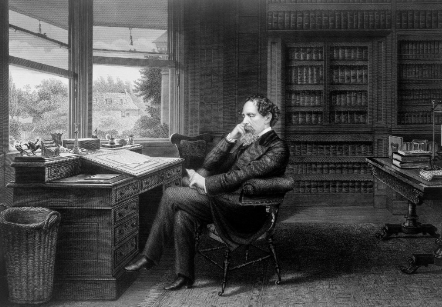
Charles Dickens is celebrated as one of the greatest novelists of the Victorian era, but his relationship with his readers set him apart from many of his contemporaries. Through innovative storytelling and a keen awareness of societal issues, Dickens crafted narratives that resonated deeply with readers of his time and continue to do so today. This post will explore how Dickens engaged with his audience and the techniques he used to build a sense of community through his work.
1. Engaging Serialized Storytelling
One of the most significant features of Dickens’s relationship with his readers was his use of serialized novels. Instead of publishing his works as complete books, Dickens released his stories in installments. This format not only built suspense but also created a dynamic interaction between the author and his audience. Readers eagerly awaited the next installment, discussing plots and characters in public forums or at home with family and friends.
For instance, “The Pickwick Papers,” his first serialized novel, quickly became a sensation, with readers passionately debating the outcomes of various chapters. This method allowed Dickens to gauge public opinion and potentially alter the course of his narrative in response, making readers feel that their voices mattered. As a result, Dickens was able to cultivate a loyal fanbase who felt personally invested in his characters and stories.
-
- Follow Dickens’s example by sharing content in a serialized format on social media.
-
- Create anticipation by ending your segments with cliffhangers.
-
- Engage readers by encouraging discussions or feedback after each installment.
-
- Be adaptable and responsive to audience reactions to improve future content.
2. Social Commentary and Reader Connection
Dickens often tackled pressing social issues such as poverty, child labor, and crime in his works, establishing a profound connection with his readers. By depicting relatable experiences of hardship and resilience, he stirred empathy and action among the public. Readers were not merely passive consumers of his stories; they were moved to consider their role in society and the impact they could have on the lives of others.
For example, “Oliver Twist” does not just tell the tale of a young boy in an orphanage; it highlights the grim realities of poverty and the indifference of society towards the vulnerable. His vivid storytelling compelled readers to reflect on their own environments and challenged them to promote social change. This ability to evoke a strong emotional response ensured that readers felt an intrinsic connection to his narratives and the societal themes he was passionate about.
-
- Incorporate social issues into your storytelling to resonate with your audience.
-
- Encourage readers to reflect on the themes you present.
-
- Create discussion guides to facilitate conversations about important topics.
-
- Share real-life stories that connect with your themes to humanize abstract issues.
3. Charitable Endeavors and Community Building
Another vital aspect of Dickens’s relationship with his readers was his commitment to philanthropy and community engagement. He believed in the power of literature to effect social change, and he used his platform not just for storytelling but also for rallying support for charitable causes. Dickens famously organized numerous events, including fundraisers and public readings, to support the poor and the marginalized.
Through stories like “A Christmas Carol,” which conveys a message of generosity and compassion, Dickens inspired readers to adopt a charitable spirit. He encouraged them to take action, whether through direct charity or through advocacy for better living conditions for all. This relationship transcended the text; it fostered an active community invested in the welfare of others—one that Dickens himself often looked to engage personally.
-
- Incorporate community-driven initiatives into your projects.
-
- Share stories of local heroes to inspire others to give back.
-
- Encourage readers to participate in or organize charity events.
-
- Utilize your platform to amplify causes that resonate with your audience.
In conclusion, Dickens’s extraordinary relationship with his readers was built on engagement through serialized storytelling, heartfelt social commentary, and a steadfast commitment to community support. By harnessing these techniques, authors and content creators today can foster a similar connection with their audiences. Embracing these practices could inspire both personal and community growth, encouraging readers not only to consume content but to engage deeply with the world around them.