
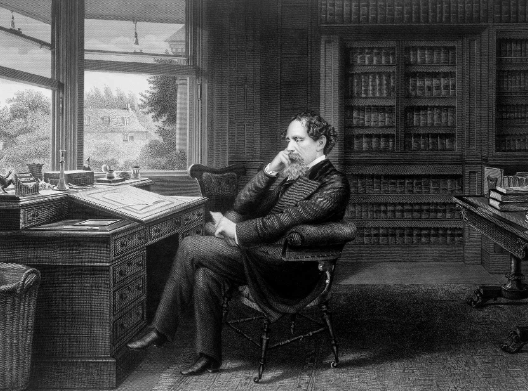
Charles Dickens is a towering figure in literature, celebrated for his vivid characters and intricate plots. His voice resonates through the ages, influencing countless writers and captivating readers worldwide. In this blog post, we’ll explore the elements that make Dickens’s work so enduring and impactful.
1. The Power of Characterization
One of Dickens’s most remarkable talents lies in his ability to create memorable and multi-dimensional characters. From the humble Oliver Twist to the eccentric Ebenezer Scrooge, each figure embodies distinct traits that resonate deeply with readers. Dickens often focuses on the struggles of his characters, reflecting societal issues of his time, such as poverty and class disparities, which make them relatable even today.
For instance, in “Great Expectations,” the protagonist Pip’s journey from childhood innocence to moral adulthood highlights themes of ambition, regret, and redemption. Dickens’s detailed portrayal allows readers to empathize with Pip’s internal conflicts, transforming what could be a simple coming-of-age story into a profound exploration of human experience.
-
- Character sketches: Create a brief profile for your characters, detailing their backgrounds and motivations.
-
- Use dialogue: Allow characters to express their personalities through their speech.
-
- Show transformation: Illustrate how your characters evolve through challenges.
-
- Incorporate flaws: Make characters relatable by giving them weaknesses and imperfections.
2. Social Commentary Through Fiction
Another defining feature of Dickens’s work is his keen social commentary. He often critiques the social injustices of Victorian England, shining a light on issues such as child labor, incarceration, and the class divide. His novels serve not only as entertainment but also as a form of activism, prompting readers to reflect on the ethical implications of their society.
“Bleak House” is a powerful example, as it illustrates the convoluted and often corrupt legal system of the time, specifically through the interminable case of Jarndyce vs. Jarndyce. Dickens uses the narrative to explore the devastating effects of bureaucracy on individuals’ lives, effectively engaging readers in broader conversations about justice and morality.
-
- Incorporate real issues: Weave current social problems into your stories for relevance.
-
- Use settings as characters: Make the environment reflect societal issues.
-
- Craft vivid scenes: Illustrate the struggles faced by different social classes.
-
- Encourage dialogue: Invite readers to contemplate the issues presented in your narratives.
3. Mastery of Plot and Structure
Dickens’s storytelling skill is evident in his intricate plots and unique narrative structures. He often employs cliffhangers and serialized storytelling, which kept readers eagerly waiting for the next installment. This technique not only enhanced suspense but also created a stronger connection between readers and the characters, ensuring that audiences remained invested in their journeys.
<p”The Tale of Two Cities” exemplifies this mastery, featuring a complex narrative that weaves together personal and historical threads. Dickens’s ability to interlace the lives of characters amidst the backdrop of the French Revolution allows for a plot that is both thrilling and thought-provoking, demonstrating his command over structure while addressing themes of sacrifice, love, and resurrection.
-
- Outline distinct arcs: Plan the beginning, middle, and end to ensure cohesion.
-
- Employ foreshadowing: Drop subtle hints to create intrigue and anticipation.
-
- Utilize multiple perspectives: Offer varied viewpoints to enrich the narrative experience.
-
- Keep tension high: Introduce obstacles to maintain reader engagement.
4. Timeless Themes of Humanity
Perhaps the most powerful aspect of Dickens’s writing is his exploration of universal themes. Love, loss, redemption, and the quest for identity are just a few motifs that run through his novels. Dickens’s ability to touch on these timeless subjects ensures that his work remains relevant across generations, appealing to the emotions and experiences that define us as humans.
<p”For instance, “A Christmas Carol” delves into themes of generosity and compassion, resonating with readers during the holiday season and beyond. Scrooge’s transformation from a miser to a benefactor speaks to the possibility of change, encouraging readers to reflect on their own lives and relationships with others.
-
- Identify universal themes: Choose topics that resonate with broad audiences.
-
- Use relatable scenarios: Create situations familiar to your readers’ lives.
-
- Focus on emotions: Engage your audience’s feelings through relatable experiences.
-
- Incorporate symbols: Utilize objects or motifs that symbolize larger concepts.
5. Crafting a Unique Voice
Lastly, Dickens’s distinctive voice, characterized by rich, descriptive language and a strong sense of humor, plays a crucial role in his enduring appeal. His ability to blend pathos and humor creates a reading experience that is both enjoyable and deeply moving. The unique cadence of his writing allows readers to feel a connection to the narrative, making his works memorable.
By infusing his prose with playful language and satirical wit, Dickens transforms serious subjects into engaging narratives without diluting their impact. This balance of tone not only entertains but also invites readers to think critically about the issues he addresses.
-
- Experiment with style: Find a voice that reflects your personality and message.
-
- Mix tones: Blend humor with serious themes for depth.
-
- Employ rich vocabulary: Use descriptive language to paint vivid pictures.
-
- Read aloud: Hear how your writing flows to refine your unique voice.
In conclusion, Dickens’s enduring voice in literature continues to inspire both writers and readers alike. By studying his methods, we can gain insights into writing memorable characters, crafting engaging plots, and conveying powerful social messages. So why not dive deeper into your own writing today? Start experimenting with these techniques to develop your unique narrative style!