
Charles Dickens remains one of the most influential authors in English literature, combining stark realism with vibrant imagination. His works not only depict the societal issues of Victorian England but also illuminate the human condition. In this blog post, we will explore how Dickens skillfully intertwined realism and fantasy in his storytelling.
1. The Settings: Real Places and Imagined Worlds
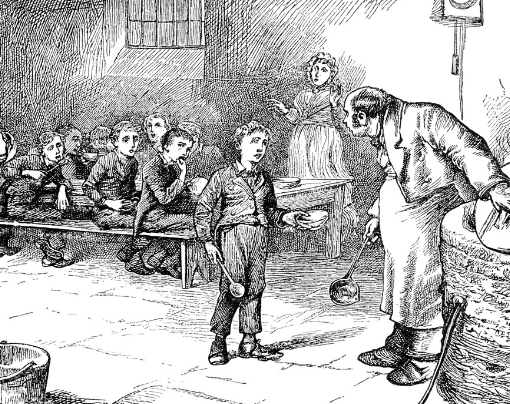
Dickens crafted his narratives in a meticulously detailed setting that often mirrored the real-life locations in London. He captured the gritty streets, overcrowded workhouses, and the struggles of the urban poor. For example, in “Oliver Twist,” the setting reflects the grim realities faced by orphaned children, presenting a vivid backdrop that draws readers into the harsh world of 19th-century England.
At the same time, Dickens infused elements of imagination into his settings, transforming ordinary locations into places filled with wonder or foreboding. The fantastical realms in “A Christmas Carol” offer readers a surreal experience as Scrooge journeys through time and encounters the spirits of Christmas, which serve to enlighten his character. This duality creates a dynamic reading experience where realism meets fantasy.
-
- Research real locations depicted in Dickens’ work to enhance understanding.
-
- Consider how settings influence character development and plot twists.
-
- Explore how Dickens uses atmosphere to elicit emotional responses.
-
- Identify the contrast between wealthy neighborhoods and impoverished areas in his stories.
2. Characterization: Realistic Figures with Imaginative Traits
One of Dickens’ greatest strengths lies in his ability to create multifaceted characters that embody the struggles of the time while also possessing imaginative quirks. Characters like Ebenezer Scrooge and Oliver Twist are grounded in the reality of their experiences, making them relatable to readers. Scrooge’s transformation from a miser to a benevolent figure showcases Dickens’ knack for merging reality with a moral fairy tale.
Moreover, Dickens often exaggerates certain traits in his characters for dramatic effect, resulting in uniquely imaginative creations. Figures such as Mr. Bumble in “Oliver Twist” are larger-than-life caricatures of the inept and corrupt officials of his time. This blend of realism and exaggeration not only sheds light on societal flaws but also injects a sense of humor and whimsy into oppressive subjects.
-
- Analyze character motivations that reflect societal issues.
-
- Explore character arcs and how they symbolize larger themes.
-
- Consider how humor can emerge from exaggerated traits.
-
- Examine the role of supporting characters in driving the narrative.
3. Themes: Social Commentary Wrapped in Fantastical Narratives
Dickens masterfully wove sociopolitical themes into captivating narratives, rendering them accessible through imaginative storytelling. His focus on poverty, discrimination, and social injustice often takes center stage, portrayed through evocative tales. For instance, in “Great Expectations,” Pip’s journey reveals the complexities of social class, ambition, and personal growth, framed within a richly imaginative context.
Additions like supernatural elements or dream sequences allow Dickens to address serious issues in a manner that intrigues and entertains readers. The presence of ghosts, visions, and implausible coincidences creates a layered approach, inviting readers to reflect on societal norms while enjoying the unfolding narrative. The use of imagination here acts as both a critique and a illumination of reality.
-
- Examine how Dickens uses humor and whimsy in serious themes.
-
- Identify recurring themes across his different novels.
-
- Consider how characters’ imaginative encounters relate to real-life struggles.
-
- Reflect on the moral lessons embedded within fantastical elements.
4. Narrative Style: Fusing Dialogue with Imagination
Dickens is well-known for his vibrant dialogue, which greatly contributes to the juxtaposition of realism and imagination in his work. His characters often engage in spirited conversations that reflect their social standing and personal struggles, lending authenticity to the narrative. The banter found in “David Copperfield” showcases a vivid portrayal of relationships and societal norms, retaining realism while weaving imaginative storylines.
Additionally, Dickens frequently employs a narrative style that breaks the fourth wall, allowing readers to engage with the text on a more personal level. This device not only enhances the imaginative aspect but also bolsters realism as readers are drawn into the experiences of the characters. By blending observational narrative with imaginative flights, he captivates the audience fully.
-
- Explore the significance of dialogue in portraying character relationships.
-
- Identify instances where Dickens speaks directly to the reader for added effect.
-
- Analyze how different narrative styles impact theme development.
-
- Consider the role of humor and satire in character interactions.
In conclusion, Dickens’ unique ability to marry realism with imagination continues to resonate with readers today. By exploring real societal issues through imaginative narratives, he crafted powerful stories that remain relevant. Delve into his works to uncover the intertwined threads of reality and fantasy, and allow yourself to be inspired by his creative genius.