
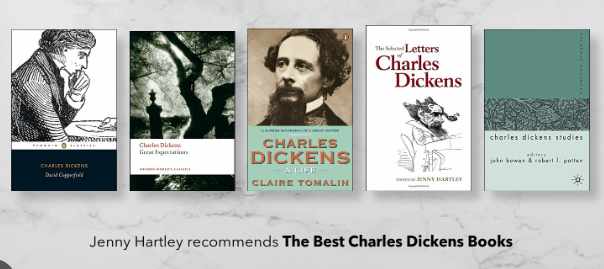
Charles Dickens, one of the most significant writers of the Victorian era, produced a remarkable body of work that continues to resonate today. His novels not only entertain but also tackle pressing social issues, reflecting on the complexities of human nature and moral dilemmas.
1. A Tale of Two Cities
“A Tale of Two Cities” is a historical novel set in London and Paris before and during the French Revolution. It explores themes of resurrection, sacrifice, and the stark contrasts between the social classes of the time. The iconic opening line, “It was the best of times, it was the worst of times,” sums up the era’s contradictions as Dickens illustrates the turbulent transitions of society.
The character of Sydney Carton serves as a profound example of transformation and redemption. His sacrificial act at the end of the novel exemplifies the personal changes Dickens champions throughout the narrative. The rich historical context paired with compelling characters makes this novel a powerful study of human resilience amidst chaos.
-
- Read the novel or listen to an audiobook version to absorb the storytelling fully.
-
- Research the historical events surrounding the French Revolution for added context.
-
- Discuss the themes of resurrection and redemption in a book club or study group.
-
- Reflect on the moral choices characters face and how they resonate in today’s world.
2. Great Expectations
“Great Expectations” is a coming-of-age story that follows the life of Pip, an orphan who aspires to become a gentleman. Dickens delves into themes of ambition, social class, and the ethical implications of wealth. The character of Miss Havisham, with her decaying wedding cake and perpetual mourning, serves as a haunting reminder of the consequences of unchecked obsession and regret.
The novel’s intricate plot twist involving Pip’s “benefactor” dramatically shifts the reader’s understanding of social class and personal identity. It highlights the idea that wealth does not necessarily equate to happiness, forcing us to question our own values and the societal structures that influence them. Dickens’s rich characters offer invaluable lessons on integrity and self-discovery.
-
- Analyze Pip’s character development throughout the novel for deeper understanding.
-
- Engage in discussions around the portrayal of class differences and what they signify.
-
- Reflect on how ambition and wealth impact your life and those around you.
-
- Explore modern adaptations of the novel, from films to stage productions.
3. Oliver Twist
“Oliver Twist” is a poignant portrayal of the harsh realities faced by the poor in 19th-century England. Through the journey of young Oliver, who escapes from a workhouse only to encounter the criminal underbelly of society, Dickens highlights the systemic failures affecting the most vulnerable. His portrayal of orphanage life and child labor sparks critical conversations around social reform.
The character of Fagin, a cunning manipulator of children, serves as a foil to Oliver’s innate goodness. Dickens uses these characters to illustrate the impact of environment on morality, demonstrating how societal structures can lead one astray. The novel urges readers to consider their roles in advocating for social change and justice for the marginalized.
-
- Look into the historical context of child labor laws during Dickens’s time.
-
- Participate in community service to help those in need, inspired by Oliver’s story.
-
- Join discussions or forums focused on social justice and children’s rights.
-
- Compare the representation of poverty in “Oliver Twist” with that in today’s media.
4. David Copperfield
“David Copperfield” is often understood as a semi-autobiographical novel reflecting Dickens’s own life experiences. Through David’s journey from a troubled childhood to becoming a successful writer, Dickens weaves themes of perseverance, friendship, and personal growth. The novel is notable for its rich array of characters, each embodying various aspects of Victorian society.
Key figures like the ever-optimistic Mr. Micawber demonstrate the importance of resilience despite financial distress. Meanwhile, the relationship between David and his childhood friend, Steerforth, presents complex dynamics of loyalty and betrayal. These relationships provide a rich tapestry for exploring human connections and societal expectations.
-
- Identify and analyze how literary techniques enhance character development.
-
- Examine how Dickens’s own life influenced the characters and events in the novel.
-
- Reflect on your friendships and how they’ve shaped your personal story.
-
- Consider journaling your own life experiences to draw parallels with David’s journey.
5. Bleak House
“Bleak House” is a profound exploration of the British legal system and its implications for the individuals ensnared within it. Dickens casts a critical eye on the seemingly endless court case of Jarndyce and Jarndyce, illustrating the detrimental effects of bureaucracy on human lives. Through multiple perspectives, the novel sheds light on social injustices while intertwining personal narratives.
The character of Esther Summerson serves as a moral compass throughout the story, emphasizing compassion amidst despair. The stark contrast between wealthy and impoverished characters brings to life the inequities within the legal framework, encouraging readers to contemplate the broader implications of justice and humanity. Dickens’s sharp social commentary remains relevant, urging readers to advocate for change.
-
- Participate in discussions about the themes of justice and corruption presented in the novel.
-
- Research current legal issues that mirror the concerns highlighted by Dickens.
-
- Reflect on personal experiences with bureaucracy and how they shaped your understanding of justice.
-
- Consider watching adaptations of “Bleak House” to see its themes interpreted in modern contexts.
In revisiting Dickens’s influential novels, we uncover timeless themes that continue to inspire and challenge us. Each story offers valuable lessons about society and human nature. Dive into these works to not only appreciate their literary brilliance but also to reflect on their relevance in today’s world.