
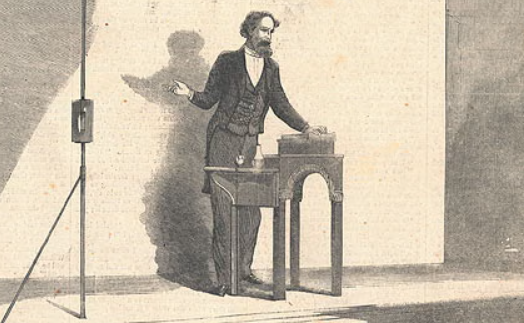
Charles Dickens remains one of the most celebrated authors in literature, captivating readers with his intricate storytelling and vivid characters. His works reflect timeless themes of social justice, poverty, and the human experience, making them relevant even in today’s world.
1. Relatable Characters and Timeless Themes
One compelling reason that Dickens continues to inspire readers is his ability to create relatable characters who embody various facets of society. Whether you resonate with the innocent Oliver Twist or the resilient Pip from “Great Expectations,” Dickens’ characters endure because they reflect real human emotions and struggles. This connection allows readers to gain insights into their own lives through these fictional figures.
Furthermore, Dickens often explored universal themes like class disparity, love, and redemption. These timeless messages transcend generations and cultures. For example, his portrayal of the struggles faced by the impoverished in “Bleak House” remains pertinent as socio-economic inequalities persist worldwide.
-
- Identify your favorite Dickens character and explore what you relate to in their journey.
-
- Reflect on how the themes in Dickens’ works resonate with contemporary social issues.
-
- Discuss Dickens’ characters with friends or in book clubs to enhance your understanding.
-
- Look for modern adaptations of his works that explore similar themes in new contexts.
2. Mastery of Language and Style
Dickens’ unparalleled command of language is another reason his writings resonate today. His vivid descriptions and rich imagery allow readers to visualize his settings and characters in intricate detail. For instance, the stark contrast between the lavish world of London’s elite and the grim conditions of the poor is skillfully portrayed in “A Christmas Carol,” drawing readers into stark realities through descriptive storytelling.
Additionally, his use of humor and wit adds layers to his narratives, making discussions of serious subjects more palatable. This blend of humor and pathos makes his works accessible and enjoyable, ensuring that readers remain engaged from start to finish, which is essential in a world with countless entertainment choices.
-
- Read aloud passages from Dickens to appreciate his language and rhythm.
-
- Analyze the descriptive techniques he employs, focusing on characterization and setting.
-
- Write your own short story inspired by Dickens’ style to practice your language skills.
-
- Engage with literary critiques of his work to deepen your understanding of his language choice.
3. Social Commentary and Advocacy
Dickens was not just a storyteller but an astute observer of society. His novels often served as social commentaries, shedding light on the issues of his time, such as child labor, and the failings of the legal system. This advocacy for social reform makes his works more than mere tales; they’re calls to action that resonate with modern readers who seek to understand historical contexts and strive for change.
Through characters like Ebenezer Scrooge, Dickens brilliantly illustrates the transformative power of compassion and empathy. Scrooge’s metamorphosis from miser to benefactor serves as a potent reminder of the importance of kindness. By invoking these discussions, Dickens encourages readers to reflect on their moral responsibilities to enact change in their own communities.
-
- Research social issues presented in Dickens’ novels for a historical perspective.
-
- Engage with charities or social causes that align with themes in his works.
-
- Share your reflections on Dickens’ commentary via social media or blogs.
-
- Participate in discussions or forums related to class and social justice topics.
4. The Enduring Legacy of Adaptation
The extensive adaptations of Dickens’ works into films, television, and stage productions keep his stories alive for new audiences. Popular adaptations like “A Christmas Carol” or “Great Expectations” not only simplify access to Dickens’ complex narratives but also bring fresh perspectives to his timeless themes. These adaptations often reinterpret his messages, making them relevant to contemporary society.
Moreover, new adaptations—whether as modern retellings or imaginative interpretations—encourage younger generations to explore the original texts. This cyclical relationship between adaptation and original work enhances Dickens’ relevance, allowing each new version to reach audiences who may not initially pick up a classic novel.
-
- Watch an adaptation of a Dickens novel, noting the differences and similarities with the text.
-
- Read reviews of adaptations to see how others interpret Dickens’ work.
-
- Consider what themes endure through the years and how they are presented in modern contexts.
-
- Join discussions or forums dedicated to Dickens adaptations to share insights and opinions.
In conclusion, Charles Dickens continues to inspire readers through his relatable characters, mastery of language, poignant social commentary, and the enduring legacy of his adaptations. By engaging with his works, you not only gain insight into human nature but also join a conversation that spans generations. Dive into a Dickens novel today and discover the timeless relevance within!