
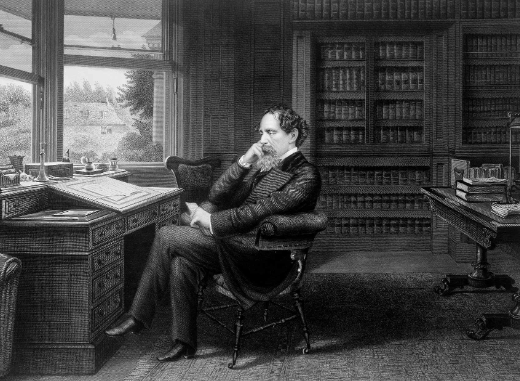
Charles Dickens is often celebrated not just for his storytelling but for the profound humanity that resonates within his narratives. Readers are drawn to the honesty, humor, and pathos that characterize his characters and storylines. This blend creates an emotional experience that feels familiar, even timeless, making Dickens’s works an enduring part of literature.
1. Relatable Characters
One of the most remarkable aspects of Dickens’s stories is his ability to create characters who are deeply relatable. Each character, no matter how eccentric, embodies qualities and struggles that resonate with the human experience. For instance, in “Great Expectations,” Pip’s journey from a poor young boy to a gentleman reflects the universal themes of ambition, class struggle, and identity. Readers often see parts of themselves in Pip’s aspirations and disappointments.
Moreover, Dickens frequently portrays characters that embody moral complexities rather than clear-cut heroes and villains. Take Ebenezer Scrooge from “A Christmas Carol.” He starts as a miserly figure but gradually reveals layers of regret and humanity, demonstrating that personal transformation is always possible. This intricacy allows readers to empathize with characters, understanding their motivations and flaws.
-
- Reflect on your own experiences and identify feelings or situations similar to what characters go through.
-
- Engage in discussions about characters with friends or book clubs to gain diverse perspectives.
-
- Create character profiles that explore their backgrounds, motivations, and growth throughout the story.
-
- Consider writing your own character sketches inspired by Dickens’s style.
2. Vivid Social Commentary
Dickens didn’t shy away from addressing the societal issues of his time, and this element makes his work feel strikingly relevant today. Through stories, he sheds light on poverty, child labor, and class disparity, advocating for social reform. “Oliver Twist” vividly illustrates the plight of orphaned children in Victorian England, evoking sympathy and a desire for change. The stark realities faced by the characters encourage readers to reflect on the world around them.
This social commentary is further enhanced by Dickens’s unique ability to invite readers into the daily lives of both the wealthy and the impoverished. His depictions spark discussions on class privilege, ethics, and morality, prompting readers to not just enjoy the story, but to engage with its deeper implications. This dual perspective fosters a connection that is both emotional and intellectual.
-
- Explore modern parallels to social issues highlighted in Dickens’s works.
-
- Write essays or blog posts discussing how Dickens’s social commentary is applicable today.
-
- Attend lectures or webinars focusing on Dickens’s impact on social themes.
-
- Join or form study groups focused on exploring literature’s role in social reform.
3. Rich Symbolism and Themes
Dickens’s narratives are often layered with rich symbolism and recurring themes, which enhance their emotional depth. Symbols like Scrooge’s chains in “A Christmas Carol” represent the burden of greed and selfishness, serving as powerful reminders of the consequences of one’s choices. Such symbols enrich the reading experience, inviting readers to delve deeper into the text.
Moreover, themes such as redemption, family, and the struggle against injustice are prevalent throughout his works. These universal themes create a bridge across generations, enabling readers from different backgrounds to connect with his stories on a fundamental level. This timelessness contributes to the emotional impact of Dickens’s work, making it feel relevant regardless of the era.
-
- Identify and discuss symbols in your favorite Dicken’s story and what they represent.
-
- Write reflections on how themes in his stories resonate with your life experience.
-
- Analyze how social issues are symbolically presented in Dickens’s narratives.
-
- Consider incorporating symbols into your own creative writing.
4. Engaging Narrative Style
Dickens’s unique narrative style plays a crucial role in making his stories feel deeply human. His use of humor, irony, and vivid description pulls readers into the world he creates. For instance, his penchant for whimsical turns of phrase and witty character names brings levity to serious subjects, allowing readers to engage without being overwhelmed. This balance keeps readers invested and entertained, even when the story addresses heavy themes.
Additionally, Dickens’s fondness for cliffhangers and episodic storytelling creates a captivating reading experience. This method not only builds tension but also fosters a sense of anticipation, urging readers to continue through the convoluted saga of his characters’ lives. It’s often said that Dickens’s novels are akin to soap operas of his time, balancing drama, humor, and relatable challenges to explore the human condition.
-
- Experiment with writing in an engaging narrative style and incorporate humor where appropriate.
-
- Read aloud excerpts from Dickens to appreciate the rhythm and flow of his language.
-
- Analyze the pacing of the plot and how it impacts the emotional engagement with the characters.
-
- Create a short story that employs a similar episodic structure to Dickens’s storytelling.
In conclusion, Dickens’s remarkable ability to weave relatable characters, vivid social commentary, rich symbolism, and engaging narratives makes his stories feel exceptionally human. By exploring these elements, readers can gain deeper insights into their own lives and the world around them. Consider diving into a Dickens novel today, reflecting on the themes within, and perhaps even sharing your thoughts with others!