
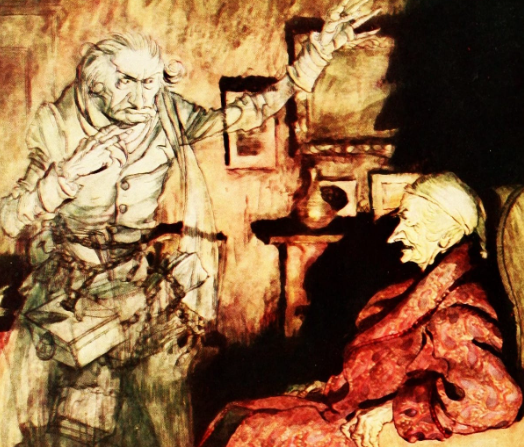
Charles Dickens is often celebrated for crafting stories that resonate deeply with readers. His ability to evoke a spectrum of emotions not only shapes character development but also propels the narrative forward, making his works timeless treasures. This blog explores how Dickens masterfully employed emotional depth to enhance his storytelling.
1. The Power of Characterization
One of the ways Dickens infused emotion into his stories is through the meticulous development of his characters. His protagonists and antagonists are not merely archetypes; they exhibit a profound array of emotions that make them relatable and memorable. Take Ebenezer Scrooge from “A Christmas Carol,” for instance. Dickens portrays Scrooge’s transformative journey from a cold-hearted miser to a warm-hearted philanthropist, enabling readers to feel sympathy and joy through his emotional evolution.
Moreover, Dickens often juxtaposes characters to highlight their emotional journeys. For example, in “Oliver Twist,” the stark contrast between the innocent Oliver and the cruel Bill Sykes amplifies the emotions of despair and hope. This technique serves to engage readers’ feelings, compelling them to invest in the fates of his characters and draw emotional parallels with their own lives.
-
- Pay attention to character dialogue; it can reveal emotions.
-
- Create layered characters that experience growth throughout the story.
-
- Use contrasts between characters to highlight emotional journeys.
-
- Show flaws in your characters that readers can identify with.
2. The Use of Setting to Evoke Emotional Responses
Dickens understood that settings are not mere backdrops; they can elicit strong emotional reactions from readers. The settings in his novels often reflect the emotional states of his characters. For example, the desolate marshes in “Great Expectations” evoke feelings of isolation and hopelessness that mirror Pip’s struggles. Conversely, scenes set in lively London can inspire a sense of excitement and possibility, fostering a connection between the setting and the characters’ emotional arcs.
Weather and time periods also play significant roles in creating mood. In “A Tale of Two Cities,” the turbulent social climate of the French Revolution fuels the characters’ emotional turbulence. By using these environmental elements strategically, Dickens immerses readers in a world where emotions are palpable and real, making his stories astoundingly impactful.
-
- Integrate your settings with the character’s emotional state.
-
- Use weather and time periods to underscore the story’s mood.
-
- Make your settings vivid and relatable to evoke specific emotions.
-
- Reflect on how each setting can enhance the narrative’s emotional core.
3. The Role of Social Commentary in Evoking Empathy
Dickens was a keen social observer, and his works often tackle issues such as poverty, child labor, and class disparity. By embedding social commentary into his narratives, he not only informs his readers but also stirs deep-seated emotions. For example, in “Hard Times,” Dickens exposes the grim realities of industrialization, evoking feelings of anger and outrage. This engagement encourages readers to empathize with the struggles of his characters, making the stories not just entertaining but socially relevant.
Moreover, Dickens effectively portrays the plight of the marginalized, transforming abstract social issues into personal stories. In “David Copperfield,” readers witness the emotional trials of an orphaned boy navigating a cruel world. Through this, Dickens fosters an emotional connection that compels readers to reflect upon societal challenges and their impacts on real lives.
-
- Incorporate subtle social issues to provoke thought and emotion.
-
- Use real-life settings to ground social commentary in relatability.
-
- Encourage empathy by presenting characters facing social injustices.
-
- Highlight contrasts between social classes to provoke emotional responses.
4. The Impact of Narrative Style and Tone
Dickens’s unique narrative style and tone also play crucial roles in the emotional resonance of his stories. His use of humor, irony, and pathos ensures readers experience a broad spectrum of feelings. For example, the whimsical yet heartbreaking portrayal of characters in “The Pickwick Papers” serves to engage the reader’s laughter amidst deeper, often somber realities. This blend allows readers to connect emotionally on multiple levels, making the stories more dynamic.
Additionally, Dickens often employed first-person narration or deeply introspective third-person perspectives, allowing readers to enter the minds of his characters. This technique establishes a more intimate connection to their emotional struggles, making their joys and sorrows feel personal. This stylistic choice encourages readers to walk alongside characters on their journeys, enhancing emotional engagement throughout the narrative.
-
- Experiment with different narrative styles to find the most impactful tone.
-
- Incorporate humor to balance darker themes within the story.
-
- Consider using first-person accounts for emotional intimacy.
-
- Consistently reflect on how tone can influence reader emotion.
5. The Climax and Resolution: Where Emotions Peak
Every compelling narrative builds toward a climax, and Dickens expertly shapes these moments into emotional high points. The culmination of conflicts often brings characters’ emotions to the forefront, leaving readers feeling the intensity of their journeys. For instance, in “A Christmas Carol,” the climactic moment of Scrooge’s transformation elicits a powerful wave of joy and relief for both the character and the audience.
Equally important is how resolutions are crafted to provide closure while continuing to evoke emotion. Dickens often leaves his readers with a sense of hope or a poignant lesson attached to personal growth. This balance ensures that even after the final page is turned, the emotional resonance lingers, urging readers to reflect on the story long after its conclusion.
-
- Build climactic moments to heighten emotional stakes.
-
- Ensure resolutions provide closure while leaving a lasting impact.
-
- Consider the emotional journeys of all characters at the climax.
-
- Encourage reflections on the themes and lessons conveyed through emotion.
In conclusion, Dickens’s adept use of emotion serves as a powerful mechanism in his storytelling toolbox. By understanding his methods, writers can elevate their narratives, inspiring deeper connections with their readers. Whether you are a budding author or a literature enthusiast, exploring the emotional depths of Dickens’s work offers invaluable insights into the art of impactful storytelling.