
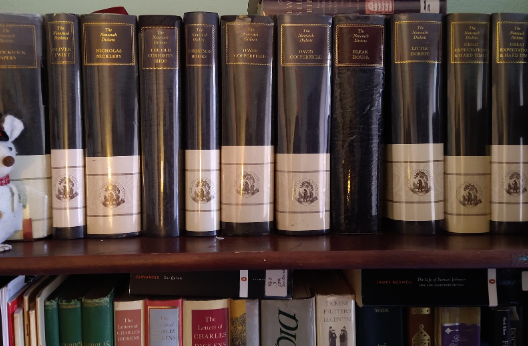
Charles Dickens, a literary titan of the 19th century, crafted narratives that resonate with the social issues of his time. His novels often serve as mirrors reflecting the complexities of society, exposing social injustices and human suffering. Through his vivid characters and intricate plots, Dickens invites readers to engage with the moral dilemmas and challenges faced by the less fortunate.
1. The Plight of the Poor in Dickens’s Novels
In many of Dickens’s works, such as “Oliver Twist” and “David Copperfield,” the harsh realities faced by the impoverished classes are brought to light. “Oliver Twist,” for example, opens with the unforgettable line about the orphaned boy, whose life in a workhouse exemplifies the devastating impact of poverty and neglect. Through the character of Oliver, Dickens critiques the societal indifference towards the needs of the vulnerable, showcasing the grim conditions of orphanages and workhouses of Victorian England.
Furthermore, Dickens often juxtaposes the hardships of the poor with the lavish lifestyles of the wealthy. Characters like Mr. Bumble in “Oliver Twist” represent the corrupt and indifferent institutions that contribute to the suffering of the underprivileged. This contrast not only highlights socio-economic divides but also serves as a reminder that wealth does not equate to virtue. By engaging with these narratives, readers gain profound insights into the consequences of indifference and the necessity for social reform.
-
- Explore Dickens’s lesser-known works for deeper narratives.
-
- Research the historical context of Dickens’s novels.
-
- Reflect on contemporary issues of poverty and inequality.
-
- Discuss how Dickens’s characters might relate to modern societal problems.
-
- Consider volunteering or donating to local charities addressing poverty.
2. Gender Roles and Social Expectations
In addition to socioeconomic themes, Dickens’s novels often explore the roles of women and the expectations placed upon them. In “Great Expectations,” the character of Estella is a perfect illustration of how societal norms shape identities. Raised by Miss Havisham to break men’s hearts, Estella embodies the conflicts between society’s expectations and individual desires, highlighting the limited options available to women during the Victorian era.
Moreover, Dickens portrays strong female characters like Nancy from “Oliver Twist,” who navigates her moral dilemmas despite being trapped in a life of crime. Through these characters, the author criticizes gender inequality and societal pressures while advocating for empathy and understanding. This nuanced portrayal of women elucidates not just their struggles but also their resilience in the face of adversity.
-
- Analyze female characters in Dickens’s novels for their strength and complexity.
-
- Discuss the impact of societal expectations on modern gender roles.
-
- Engage in conversations about gender equality in literature and beyond.
-
- Read feminist critiques of Dickens’s works for varied perspectives.
-
- Host book clubs focused on the theme of gender in classic literature.
3. Dickens’s Commentary on Justice and Morality
Another significant aspect of Dickens’s novels is their exploration of justice and morality. In “A Tale of Two Cities,” the contrasting judicial systems of England and France serve as a backdrop to the story’s themes of sacrifice and redemption. The infamous phrase “It was the best of times, it was the worst of times” reflects the duality of societal conditions and the urgent need for social justice during tumultuous times.
Additionally, Dickens often highlights the moral failings of individuals and institutions, as seen in “Bleak House,” where the inadequacies of the legal system lead to prolonged suffering and injustice. By providing intricate details about the legal struggles of his characters, Dickens effectively calls attention to the flaws within societal norms and the urgency for reform. His stories compel readers to consider their moral responsibility and the consequences of apathy.
-
- Reflect on how justice is portrayed in contemporary literature.
-
- Understand the historical context of legal systems in Dickens’s time.
-
- Engage with legal professionals about modern justice issues.
-
- Collaborate on community initiatives that promote legal awareness.
-
- Evaluate your own understanding of morality in daily life decisions.
In conclusion, Charles Dickens’s novels serve as crucial reflections of society, addressing themes of poverty, gender inequality, and justice. By reading and engaging with his works, we not only gain insights into the struggles of the past but also recognize ongoing societal challenges. Delve into Dickens’s stories, and consider how you can contribute to positive change in today’s world.