
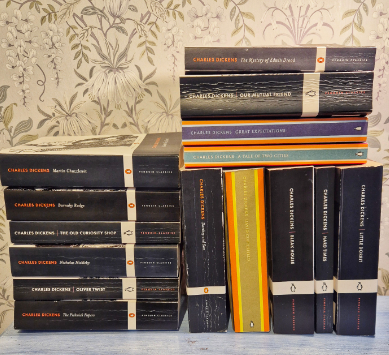
Charles Dickens is one of the most celebrated authors in English literature, known for his vividly drawn characters and intricate plots. For new readers venturing into his works, understanding his themes, style, and historical context can enrich the experience and appreciation of his novels. This guide aims to highlight key aspects every new Dickens reader should know.
1. Understanding Dickens’ Themes
One of the most compelling reasons to read Dickens is his ability to weave significant social issues into his storytelling. His works often address themes like poverty, child labor, and the struggles of the working class, reflecting the stark realities of Victorian England. For example, in “Oliver Twist,” Dickens gives a voice to the orphans and destitute, spotlighting their plight in a society that often turned a blind eye to their suffering.
Moreover, Dickens masterfully explores the theme of redemption and personal transformation. In “A Christmas Carol,” the character of Ebenezer Scrooge undergoes a remarkable change, illustrating how compassion and kindness can lead to personal growth. These overarching themes make his stories not only entertaining but also morally thought-provoking, allowing readers to reflect on their values.
-
- Look for recurring themes in his works, such as social justice and redemption.
-
- Consider how characters embody these themes and what they reveal about society.
-
- Discuss the implications of the social issues Dickens raises with other readers.
-
- Reflect on how the themes relate to today’s world and contemporary issues.
2. Knowing the Style and Structure
Dickens had a distinctive style that blends rich descriptions with vivid characterizations. His sentences can be lengthy and lush, filled with intricate detail that immerses the reader in the scenes he creates. You’ll find that he often employs a technique called “serialization,” where his novels were originally published in smaller installments. This can make for some cliffhangers and dramatic reveals as you read, keeping you engaged.
Additionally, Dickens’ characters are often larger than life, featuring exaggerated traits or quirks that make them memorable. From the innocent and hardworking Oliver to the conniving Fagin, each character serves a specific purpose in advancing the story and illustrating Dickens’ critique of society. Pay attention to how these characters contribute to the overall narrative and themes.
-
- Be prepared for complex sentence structures and rich vocabulary.
-
- Note the serialization; consider reading in installments for a more authentic experience.
-
- Engage with the characters; take time to reflect on their journeys and motivations.
-
- Look for irony and humor, which are prevalent throughout his writing.
3. Historical Context and Its Influence
Understanding the historical backdrop of Dickens’ works can greatly enhance your reading experience. He wrote during a time of significant social change in England, including industrialization, urbanization, and a dramatic shift in class dynamics. Familiarizing yourself with this context can provide greater insight into the issues he tackles in his novels.
For instance, Dickens lived in a period where child labor was rampant and social inequality was evident throughout the streets of London. His life experiences, including his own struggles with poverty and witnessing the harsh realities of the working class, significantly influenced his narrative choices. Recognizing this social commentary can make his stories resonate even more with readers today.
-
- Research the Victorian era to understand the societal issues Dickens addresses.
-
- Explore how Dickens’ own life experiences shaped his writing.
-
- Look for references and allusions to real historical events in his novels.
-
- Discuss with others how the historical context affects your understanding of the characters.
Charles Dickens remains a literary giant whose works transcend time and continue to resonate with readers. By paying attention to the themes, style, and historical context, new readers can cultivate a deeper understanding and appreciation of his masterpieces. Whether you’re diving into “Great Expectations,” “David Copperfield,” or any of his other iconic novels, you’re in for a rewarding literary adventure.
Take the plunge and immerse yourself in Dickens’ world. Dive into your chosen book, and let his words spark your imagination and empathy. Happy reading!