
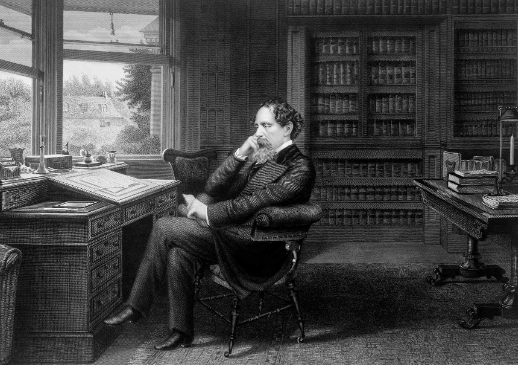
Charles Dickens, one of the most renowned authors of the 19th century, made substantial contributions to the English novel that continue to resonate today. His ability to weave intricate plots, develop vivid characters, and address social issues has established him as a significant figure in literary history.
1. Character Development
One of Dickens’s most notable contributions to the English novel lies in his character development. He created some of literature’s most enduring characters, such as Ebenezer Scrooge in “A Christmas Carol” and Oliver Twist in “Oliver Twist.” Dickens’s characters are often depicted with such depth that readers can feel their emotions and experiences, making them relatable even to contemporary audiences.
For example, in “Great Expectations,” the protagonist Pip’s evolution from an insecure young boy to a mature adult reflects the complexities of human growth. Dickens did not simply present characters as mere figures in a story; he delved into their backgrounds, motivations, and challenges. This emphasis on character depth allowed readers to engage emotionally with the narrative.
-
- Think about the emotional journey of your characters.
-
- Include unique traits that make characters memorable.
-
- Develop characters’ backstories for depth.
-
- Create conflicts that challenge their growth.
2. Social Commentary
Another major aspect of Dickens’s work is his use of social commentary. He tackled issues such as poverty, child labor, and class disparity in Victorian society, making these themes a focal point of his novels. In “Hard Times,” Dickens critiques the dehumanizing effects of industrialization and promotes the importance of compassion and empathy.
Through poignant narratives, Dickens aimed to raise awareness and inspire change. For instance, the plight of children in “Oliver Twist” highlights the harsh realities of life for orphans during the era. By embedding social commentary within engaging stories, Dickens made readers not only aware of societal issues but also motivated them to take action. His novels prompted discussions that laid the groundwork for social reform in England.
-
- Identify relevant social issues that resonate with readers.
-
- Incorporate characters who represent these issues.
-
- Use dialogue to highlight differing perspectives.
-
- Create scenarios that evoke a strong emotional response.
3. Narrative Style and Plot Structure
Dickens perfected a unique narrative style characterized by vivid descriptions and rich imagery. His use of serial publishing allowed him to structure his novels in a way that kept readers eagerly anticipating the next installment. Consequently, plots often contained suspenseful twists and cliffhangers, engaging readers at every turn.
An excellent example is “David Copperfield,” where the story is told from a first-person perspective, allowing readers to intimately experience David’s triumphs and tribulations. This narrative approach created a sense of immediacy, drawing readers deeper into the story. The complexity of his plots, combined with skillful foreshadowing and character arcs, set a standard for aspiring writers in the English language.
-
- Experiment with different narrative styles to find your voice.
-
- Consider cliffhangers to maintain reader interest.
-
- Use descriptive language to create vivid scenes.
-
- Plan out your plot structure for coherence and depth.
4. Humor and Satire
Though often recognized for his serious themes, Dickens also incorporated humor and satire to great effect. His wit not only entertains but also serves as a vehicle for social critique. For instance, the character of Mr. Micawber in “David Copperfield” embodies hope and resilience amidst financial struggles, providing comedic relief while addressing serious issues of debt and poverty.
Dickens used humor to illuminate the absurdities of his time, making his commentary more palatable for readers. By navigating the fine line between serious issues and lighthearted moments, he engaged a broad audience and highlighted the complexities of human nature. This technique has inspired countless writers who strive to blend humor with poignant observations.
-
- Use humor to diffuse tension in serious narratives.
-
- Create quirky characters to add comedic elements.
-
- Utilize satire to critique societal norms.
-
- Ensure that humor aligns with the story’s overall tone.
5. Setting and Atmosphere
Dickens’s vivid settings played a crucial role in creating immersive narratives. He often depicted the contrasts between the opulence of the upper class and the grim realities of the poor. Settings like the foggy streets of London in “Bleak House” or the oppressive workhouses in “Oliver Twist” are almost characters in themselves, enhancing the emotional weight of his stories.
This attention to atmosphere allowed readers to visualize the struggles of his characters in their environment. Dickens’s ability to evoke a strong sense of place adds another layer of depth to his storytelling, making the worlds he created all the more tangible and relatable. Writers today can draw inspiration from his techniques to enrich their own backgrounds and settings.
-
- Invest time in world-building for your narratives.
-
- Use sensory details to create vivid settings.
-
- Show how the environment affects the characters.
-
- Incorporate historical context to ground the story.
In conclusion, Charles Dickens’s contributions to the English novel are both profound and enduring. By examining character development, social commentary, narrative style, humor, and setting, writers can find inspiration in his work to enhance their storytelling. Embrace these elements and consider how they can enrich your writing journey.