
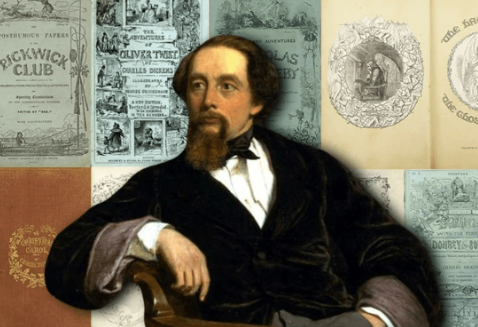
Charles Dickens is one of the most celebrated authors in literature, known for his vivid characters and intricate storytelling. By examining his characters, we can gain a deeper understanding of Dickens’s insights into society, morality, and the human experience.
1. The Social Commentary of Ebenezer Scrooge
Ebenezer Scrooge from “A Christmas Carol” epitomizes the clash between wealth and compassion. Initially portrayed as a miser, Scrooge’s character transformation reflects Dickens’s critique of Victorian values, particularly the neglect of the poor. Through Scrooge’s journey, Dickens emphasizes the importance of empathy and social responsibility, making the story a timeless reminder of the potential for personal redemption.
This profound character evolution is interwoven with other enchanting figures, such as the joyful Ghost of Christmas Present and the somber Ghost of Christmas Yet to Come. They highlight contrasting approaches to wealth and generosity, painting a rich tapestry of human experience that resonates deeply. Dickens’s ability to portray Scrooge’s internal conflict showcases his skill in depicting multifaceted characters whose growth mirrors societal change.
-
- Reflect on your own attitudes towards wealth and generosity.
-
- Consider how external factors can influence one’s character.
-
- Engage with stories of personal redemption.
-
- Discuss the importance of empathy in community settings.
2. The Innocence of Oliver Twist
In “Oliver Twist,” Dickens presents Oliver as a symbol of innocence amidst the cruelty of the world. Orphaned and marginalized, Oliver’s character elicits sympathy and serves as a poignant critique of the Poor Law of 1834. Through his harrowing experiences, Dickens exposes the horrors faced by the impoverished and emphasizes the need for compassion and reform in society.
Characters like Fagin and Bill Sikes represent the corrupting influence of crime and poverty on society’s youth. Their juxtaposition with Oliver’s innocence illustrates the struggle between good and evil, making the reader acutely aware of the societal structures that fail to protect vulnerable individuals. Dickens’s portrayal of Oliver emphasizes the idea that innocence can prevail, encouraging readers to reflect on their moral responsibility toward the disenfranchised.
-
- Explore themes of innocence versus corruption in other literature.
-
- Discuss how societal issues affect individual lives.
-
- Volunteer to support at-risk youth in your community.
-
- Engage with advocacy groups focusing on poverty reform.
3. The Complexity of David Copperfield
David Copperfield serves as a semi-autobiographical lens into Dickens’s own life, reflecting the author’s experiences and growth. From his struggles with abusive authority figures to his pursuit of personal dreams, David’s journey captures the essence of resilience and self-discovery. Throughout the narrative, Dickens emphasizes the importance of friendship, love, and perseverance in overcoming life’s adversities.
The richness of David’s relationships, from the loyal Peggotty to the manipulative Uriah Heep, adds layers to his character development. Dickens uses these interactions to explore themes of identity, ambition, and the importance of moral integrity in a world rife with complexity. Through David’s experiences, readers are encouraged to embrace their own journeys of growth and self-awareness.
-
- Reflect on your own life experiences and growth.
-
- Identify key relationships that have shaped you.
-
- Consider writing a personal memoir or journal.
-
- Seek out mentors who can guide you on your path.
4. The Duality of Sydney Carton
Sydney Carton from “A Tale of Two Cities” represents the duality of human nature—brilliant yet disheveled, he embodies the theme of sacrifice and redemption. His ultimate act of self-sacrifice to save another highlights the profound depths of love and the potential for nobility in the most unlikely of characters. Dickens presents Carton as a misunderstood soul capable of greatness when inspired by love.
This complexity invites readers to ponder the nature of self-worth and the transformative power of love and guilt. Carton’s redemption arc sparks reflection on themes of purpose and legacy, urging audiences to reconsider their own lives and actions. Dickens crafts Carton as a reminder that it’s never too late to change and that even flawed individuals can achieve greatness through sacrifice.
-
- Consider acts of kindness that could change lives.
-
- Reflect on personal experiences of forgiveness and growth.
-
- Create a list of what motivates you to be better.
-
- Engage in discussions about love and sacrifice in modern society.
5. The Triumph of Pip
Pip, the protagonist of “Great Expectations,” navigates social class and personal ambition, showcasing Dickens’s reflections on ambition and snobbery. Initially desperate to rise above his humble beginnings, Pip’s transformation leads to disillusionment and eventual self-acceptance. Through his journey, readers witness the pitfalls of greed and the importance of remaining true to oneself.
Characters like Estella and Magwitch further elaborate on themes of love, class disparity, and redemption. Pip’s realization that true worth lies not in wealth but in kindness illustrates a poignant critique of Victorian social structures. Dickens uses Pip’s experiences to highlight the impact of societal expectations and the importance of finding one’s identity in the face of challenges.
-
- Evaluate how personal ambition affects your decisions.
-
- Discuss the meaning of true wealth and worth.
-
- Reflect on the importance of staying true to oneself.
-
- Explore your own social and economic identity.
In conclusion, understanding Dickens through his characters allows us to explore the depths of human nature and societal complexities. Each character serves as a window into the timeless issues of empathy, morality, and redemption. As you delve into Dickens’s works, take the time to reflect on how these themes resonate with your own life and experiences.