
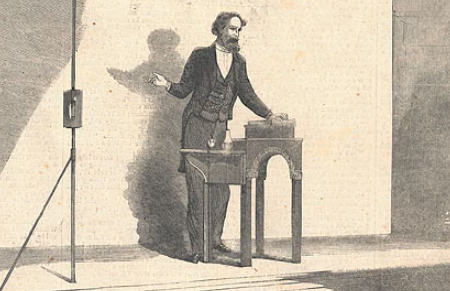
Charles Dickens is one of the most celebrated authors in the English literature canon, and his novels continue to be widely read even today. His ability to weave complex characters and social commentary into engaging narratives has captivated generations of readers. From the rich descriptions of Victorian England to the timeless themes of empathy and justice, there are several reasons why Dickens’s works still resonate with audiences.
1. Strong Character Development
One of the defining features of Dickens’s novels is his extraordinary ability to create memorable and relatable characters. Whether it’s the orphaned Oliver Twist or the endearing yet unscrupulous Scrooge from “A Christmas Carol,” his characters are imbued with depth and complexity. Dickens often portrays the struggles of the lower classes, providing readers with a connection to the characters’ trials and tribulations. These relatable figures often evoke empathy, making it easy for readers to invest emotionally in their fates.
Beyond just the protagonists, Dickens crafts a rich tapestry of supporting characters that contribute to the narrative’s vibrancy. Characters like the conniving Fagin or the gentle Mr. Pickwick serve as foil to the main characters, sharpening the moral dilemmas faced in each story. This level of character development rewards readers who delve deeper into the text, offering layers of understanding and insight into human nature.
-
- Consider the different motivations behind a character’s actions.
-
- Identify key character traits that define their relationships.
-
- Reflect on how characters evolve throughout the story.
-
- Discuss how secondary characters enhance the main plot.
2. Timeless Themes and Social Commentary
Dickens was not only a master storyteller; he was also a keen observer of societal issues. His works often explore themes such as poverty, injustice, and the struggles of the working class in 19th-century England. For example, “David Copperfield” addresses issues of child labor, societal expectation, and personal ambition. Such themes are not confined to the past and resonate with modern audiences facing similar societal challenges.
The solutions Dickens proposes—empathy, social responsibility, and moral redemption—are timeless. Through novels like “Hard Times,” he highlights the dehumanizing effects of industrialization, urging readers to consider the impact of their societal structures. By examining these themes, readers can relate Dickens’s insights to contemporary issues, making his work relevant in today’s socio-economic climate.
-
- Analyze the societal issues presented in a Dickens novel.
-
- Reflect on how these issues compare to today’s world.
-
- Discuss which contemporary figures echo Dickens’s themes.
-
- Engage in community activities related to social justice.
3. Engaging Narrative Style
Dickens is renowned for his captivating storytelling and vibrant prose. His often-humorous yet poignant narrative style pulls readers into the world he creates, making complex social issues accessible. The rhythm of his writing and his penchant for vivid imagery keep readers engaged from start to finish. For example, the opening lines of “A Tale of Two Cities” instantly hook readers, showcasing his ability to meld drama and narrative artistry.
Moreover, Dickens frequently employs cliffhangers and suspenseful plot twists that keep readers on the edge of their seats. His character-driven plots often intersect in unexpected ways, ensuring a layered reading experience. The interconnections among characters and events create an intricate web of narratives, prompting readers to think critically about the unfolding story.
-
- Choose a passage and analyze its narrative style.
-
- Identify elements of suspense in the story.
-
- Note how humor is used to address serious topics.
-
- Discuss how Dickens builds tension throughout the novel.
4. His Impact on Modern Literature
Dickens’s influence on modern literature cannot be overstated. Many contemporary writers draw inspiration from his character development, narrative techniques, and social themes. Authors like Neil Gaiman and Zadie Smith have acknowledged Dickens as a significant influence on their work, showcasing his lasting legacy. His novels have inspired countless adaptations in theater, film, and television, further broadening their reach.
Additionally, modern novels often echo Dickensian themes, particularly those concerning social inequality and moral dilemmas. This thematic relevance allows readers to continue finding value in his work while exploring new literature. Notably, understanding Dickens equips readers with historical context that enriches their reading of contemporary authors.
-
- Explore works by modern authors influenced by Dickens.
-
- Consider how contemporary themes parallel those in Dickens’s works.
-
- Watch adaptations of Dickens’s novels to see different interpretations.
-
- Join book clubs that focus on both Dickens’s and modern literature.
5. Accessible and Diverse Adaptations
With the advent of digital media, Dickens’s novels are more accessible than ever. Various adaptations—ranging from animated films to graphic novels—allow readers of all ages and backgrounds to engage with his stories. Many educational programs incorporate his works into curricula to foster discussions about societal issues and moral questions. This broad spectrum of adaptations ensures that his narratives reach diverse audiences, making them applicable across generational gaps.
Furthermore, the growing global interest in classic literature has led to translations of Dickens’s works in numerous languages, allowing international readers to experience his stories. This accessibility has reinforced Dickens’s place in literature as a timeless storyteller whose insights transcend cultural barriers.
-
- Explore different formats of Dickens’s stories (films, comics).
-
- Search for online discussion groups about Dickens’s novels.
-
- Try reading an adaptation to get a fresh perspective.
-
- Attend events or lectures focused on classic literature.
In conclusion, Dickens’s novels remain widely read not only because of their captivating stories and memorable characters but also due to their timeless relevance to social and moral themes. As we reflect on the issues he raised, it’s essential to recognize their ongoing significance in today’s world. Whether you’re venturing into his works for the first time or revisiting them, there’s always something new to discover. So grab a Dickens novel and start your journey!