
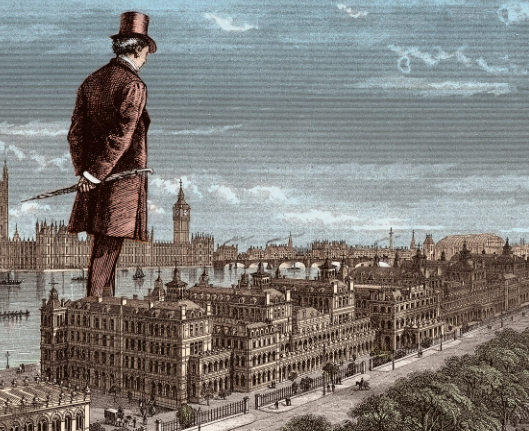
The Victorian era was a complex time, characterized by great advances but also deep social issues. Charles Dickens, one of the most celebrated writers of this period, masterfully captured the dark aspects of Victorian society through his vivid storytelling. From child labor to poverty and social injustice, his works provide a compelling critique of the time.
1. Child Labor and Exploitation
Child labor was rampant during the Victorian period, with countless children forced to work in hazardous conditions from a young age. Dickens observed firsthand the plight of young workers, often portraying this exploitation in his novels. In “Oliver Twist,” for instance, Oliver’s journey through the grim realities of workhouses highlights the severe conditions children endured and the lack of compassion from those in power.
This societal issue is not merely a relic of the past; Dickens used these narratives to challenge readers to consider their own moral responsibilities. The depiction of young characters struggling under the weight of adult expectations serves as a poignant reminder of the harsh realities that many children faced. Dickens did not shy away from showing the grim details, thus provoking empathy among his audience.
-
- Research historical context and see how child labor has evolved over time.
-
- Volunteer or donate to organizations that support children’s rights today.
-
- Engage in discussions about the importance of education and child welfare.
-
- Become an advocate for modern child protection laws.
2. Poverty and Class Disparity
Poverty was a pervasive issue in Victorian England, spilling into every facet of life. Dickens vividly portrayed this divide, emphasizing the often desperate circumstances of the poor and the indifference of the wealthy. In “A Christmas Carol,” Ebenezer Scrooge’s transformation is a direct commentary on class disparities, where wealth isn’t just a measure of success but also an indication of social responsibility.
The contrast between the opulence of the upper class and the squalor of the lower class serves as a critique of societal norms. Dickens not only highlights the injustices but also incites a sense of urgency in his readers. He encourages empathy and understanding toward those in less fortunate circumstances, making the plight of the poor a central focus of his works.
-
- Reflect on your own views about wealth and poverty.
-
- Support local charities that address homelessness and poverty.
-
- Educate yourself on economic inequalities in contemporary society.
-
- Engage in community service programs that assist those in need.
3. Social Injustice and Legal Inequities
The legal system in Victorian England often favored the wealthy, leaving the poor to suffer under unfair laws. Dickens’s depiction of court scenes, such as those in “Bleak House,” demonstrates the convoluted nature of the legal system, where justice is often obscured by complexity and corruption. Poor characters frequently find themselves trapped in a system designed to maintain the status quo, rather than ensure fairness.
Through his works, Dickens sheds light on the inherent injustices that plagued society. By illustrating the plight of characters like Jarndyce and Jarndyce, he invites readers to question the morality of a system that protects wealth over justice. His portrayals serve not only to entertain but also to challenge the audience’s understanding of what is just and fair.
-
- Investigate how laws have changed over the years to protect the vulnerable.
-
- Learn about ongoing legal reforms in your community.
-
- Join discussions about social justice, focusing on fair legal representation.
-
- Support advocacy groups fighting for legal reform.
As we reflect on Dickens’s portrayal of the dark side of Victorian society, it’s crucial to recognize that many of these issues still resonate today. By observing the past, we have the opportunity to educate ourselves and take meaningful action in our world today. Whether it’s through volunteering or advocating for social change, each step we take can contribute to a more just future.