
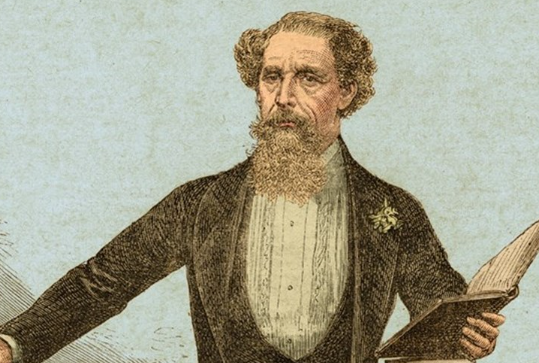
Charles Dickens, one of the quintessential authors of the Victorian era, intricately wove themes of religion and morality into his narratives. His works often reflect his critiques of societal injustices and the moral responsibilities of individuals. This blog post delves into how Dickens utilized religious motifs and moral dilemmas to convey deeper messages within his stories.
1. The Role of Religion in Dickens’s Society
Religion in Dickens’s time served as both a comfort and a social critique. Many of his characters grapple with their faith versus societal expectations, often leading to profound moral awakenings. For example, in “Oliver Twist,” Fagin represents a corrupted version of morals taught by traditional religion, contrasting starkly with characters like Mr. Brownlow, who embody compassion and charity.
Moreover, Dickens placed importance on the social responsibilities that religion entails. The church, in his narratives, is often depicted as failing to provide real support to the impoverished and downtrodden characters, such as those depicted in “David Copperfield.” This juxtaposition compels readers to reconsider the genuine fulfillment of one’s moral duties through action rather than mere belief.
-
- Understand the historical context of Dickens’s works.
-
- Analyze characters through a moral lens to derive deeper meanings.
-
- Recognize the discrepancies between religious teachings and characters’ actions.
-
- Reflect on how social responsibilities are portrayed in the narratives.
2. Morality as a Guiding Force
The moral compass in Dickens’s works often guides characters toward redemption or downfall. For example, Ebenezer Scrooge from “A Christmas Carol” transforms from a miser to a benevolent figure after reflecting upon his past actions. Dickens illustrates how moral awakening often comes from facing one’s own shortcomings and the consequent impact one has on others.
On the other hand, characters like Mrs. Jellyby in “Bleak House” exemplify misplaced priorities. While she is dedicated to philanthropic work in Africa, she neglects her own family. Through these examples, Dickens points out the necessity of personal responsibility in conjunction with broader altruistic efforts, showcasing that morality requires balance.
-
- Identify key characters who undergo moral transformations.
-
- Examine the consequences of both moral and immoral actions.
-
- Reflect on the importance of facing one’s flaws.
-
- Consider how personal and societal responsibilities intersect.
3. The Intersection of Religion and Morality
In Dickens’s works, religion and morality often intersect to raise essential questions about practical ethics. For instance, the character of Sydney Carton in “A Tale of Two Cities” embodies self-sacrifice, reminiscent of Christian ideals. His ultimate act of redemption offers a powerful commentary on the notion that faith can lead to ethical imperatives, encouraging individuals to consider the greater good.
Additionally, Dickens critiques the hypocrisy often found within religious institutions. Characters like Mrs. Cratchit in “A Christmas Carol” reflect genuine kindness and morality outside the bounds of organized religion. This highlights the idea that true morality does not always align with religious affiliation and prompts readers to discern between faith’s ideals and human actions.
-
- Discuss the role of self-sacrifice in ethical decision-making.
-
- Analyze how faith can influence moral choices.
-
- Identify characters that represent true morality irrespective of religious affiliations.
-
- Encourage discussions on the impact of hypocrisy in moral actions.
In conclusion, Dickens’s exploration of religion and morality remains relevant, inviting readers to reflect on their own ethical dilemmas and social responsibilities. As you dive deeper into his works, consider how these themes reflect modern-day issues and your personal values. Engage with these timeless lessons, and think about how you can apply them in your own life.