
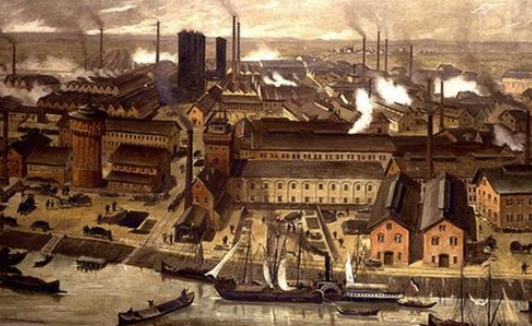
Charles Dickens is often celebrated as one of the greatest novelists of the Victorian era. His works not only entertain but also provide insightful reflections on the society of his time, particularly in relation to the profound changes brought about by the Industrial Revolution.
1. The Impact of Industrialization on Society
The Industrial Revolution marked a significant shift from agrarian societies to urban industrial centers. This transformation led to unprecedented economic growth but also brought with it a host of social challenges. Dickens, observing these changes, captured the stark realities of urban life, highlighting the plight of the working class and the moral dilemmas of a rapidly industrializing society.
In novels like “Oliver Twist” and “Hard Times,” Dickens vividly depicts bleak living conditions, child labor, and the struggles of the poor. These narratives serve as powerful commentaries on the consequences of industrial progress, illustrating how profit-driven motives often ignored human welfare. Dickens’s characters frequently find themselves trapped in a merciless cycle of poverty, reflecting the lost humanity amidst the machinations of industry.
-
- Consider how urbanization affects community connections.
-
- Reflect on the moral responsibilities of businesses today.
-
- Explore modern workplace conditions and rights.
-
- Discuss the importance of ethical consumerism.
2. Dickens’s Social Critique and Characters
One of the most compelling aspects of Dickens’s writing is his ability to create relatable characters whose experiences resonate deeply with readers. His characters often serve as archetypes of society’s ills, allowing him to critique various aspects of Victorian life. For example, Scrooge from “A Christmas Carol” represents the callousness often found in capitalist pursuits, while Little Nell from “The Old Curiosity Shop” embodies innocence lost in the harsh realities of industrial life.
Additionally, Dickens didn’t merely expose societal flaws; he often infused his tales with hope and redemption. His characters undergo transformations that reflect the potential for change within society itself. This notion encourages readers to consider their roles in advocating for social justice and reform, prompting collective efforts towards improvement and empathy in a fractured world.
-
- Analyze the motivations behind your favorite Dickens character.
-
- Discuss how Dickens’s characters inspire activism today.
-
- Identify modern parallels to Dickensian social issues.
-
- Create a character study of an underrepresented figure in society.
3. Advocacy Through Literature
More than just a storyteller, Dickens was an active advocate for social reform. He used his popularity to address critical issues such as child labor, education, and poverty. His works often called for greater societal awareness and responsibility, aiming to spur a response from both the public and policymakers. Through vivid storytelling, Dickens highlighted the human cost of industrial progress, sparking debates that continue in various forms today.
Dickens’s commitment to social advocacy extended beyond his novels. He participated in public readings and charitable events, emphasizing the need for actionable change. His influence spread, inspiring a generation of social reformers and writers who sought to shed light on the societal ramifications of economic expansion. By mobilizing public sentiment, he aimed to create a more just and equitable society.
-
- Engage with local advocacy groups working for change.
-
- Read about social issues addressed by Dickens for context.
-
- Identify ways literature can influence modern advocacy.
-
- Participate in book clubs focusing on social themes.
In conclusion, Charles Dickens’s works provide valuable insights into the complexities of the Industrial Revolution and its effects on society. By reflecting on his critiques and characters, we can better understand our current social challenges and strive towards meaningful change. Consider how you can engage with contemporary social issues, drawing inspiration from Dickens’s timeless lessons.