
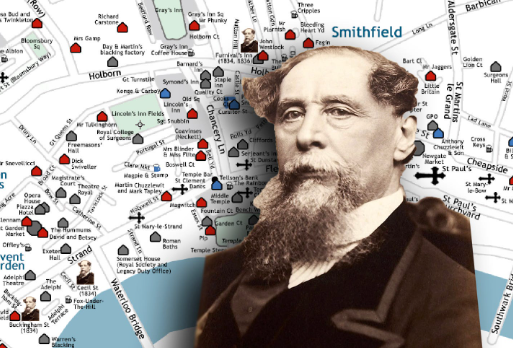
Charles Dickens is often celebrated as one of the greatest novelists of the Victorian era and remains a towering figure in English literature. His unique style, vivid characters, and social commentary have shaped literature in a multitude of ways, influencing writers across generations.
1. Thematic Depth in Dickens’ Works
One of the most significant influences of Dickens on English literature is the thematic depth found in his works. He tackled various social issues, including poverty, class disparity, and the injustices of the legal system. For example, in “Oliver Twist,” Dickens exposes the grim realities of orphaned children in Victorian England, creating empathy in readers toward their plight. This thematic focus encouraged subsequent writers to address societal problems through their narrative forms.
Moreover, Dickens often incorporated a moral dimension into his stories. In “A Christmas Carol,” he used the character of Ebenezer Scrooge to communicate important lessons about generosity and compassion, making the story resonate with readers across time. This approach has inspired numerous authors to weave social critique into their narratives, producing literature that seeks not just to entertain but to educate and provoke change.
-
- Read Dickens’ major works for a deeper understanding of thematic storytelling.
-
- Analyze how he evokes empathy in his characters.
-
- Identify social issues addressed in his novels.
-
- Explore how Dickens’ themes are relevant today.
2. Character Development and Complexity
Dickens is renowned for his ability to create multifaceted characters, each portraying a blend of strengths and weaknesses. Characters such as Pip from “Great Expectations” and David Copperfield embody personal growth, facing their past while navigating societal expectations. Pip’s journey, for instance, delves into themes of ambition and self-discovery, which makes him relatable to many readers. This emphasis on character development encourages writers to create richer, more dynamic personalities in their own works.
Additionally, Dickens populated his novels with memorable supporting characters who often serve to highlight social inequities. Figures like Fagin and Miss Havisham are not just villains but complex characters with compelling backstories that evoke a range of emotions in the readers. This complexity sets a standard for character creation in literature, prompting future authors to develop nuanced figures rather than one-dimensional archetypes.
-
- Study character arcs in Dickens’ novels to inform your own writing.
-
- Experiment with creating complex engagements between characters.
-
- Analyze how Dickens’ characters reflect societal attributes.
-
- Think about how backstories can enhance character motivations.
3. The Art of Serialization
An essential aspect of Dickens’ contribution to English literature is his innovative use of serialization. Many of his works were first published in installments, allowing readers to engage with the story over an extended period. This format not only built anticipation but also influenced the way stories were crafted, as Dickens often adjusted narratives based on reader feedback. This prioritization of audience engagement is a vital lesson for contemporary writers, illustrating the importance of connecting with one’s readers.
Serialization allowed Dickens to master the art of cliffhangers and pacing, techniques that have become staples in storytelling. Each chapter often ended with a moment of suspense, enticing readers to return for the next installment. Writers today can benefit from these techniques, using suspense to maintain interest and create a compelling narrative flow.
-
- Consider publishing your stories in shorter segments for reader engagement.
-
- Use cliffhangers to maintain suspense and excitement in your writing.
-
- Solicit feedback from your audience to make real-time adjustments.
-
- Explore how pacing affects the overall impact of your story.
4. Influence on Themes of Social Reform
Dickens was not just a storyteller; he was a social reformer. His literature served as a reflection of the harsh realities of 19th-century England, often advocating for the underprivileged. Novels like “Hard Times” and “Bleak House” address the need for systemic change, making readers aware of the dire consequences of societal neglect. By shining a light on these issues, he established literature as a catalyst for social change, a trend that remains relevant for authors today.
His approach also inspired movements beyond literature, as his works encouraged activism and reform in various sectors, including education and labor laws. Contemporary writers can learn from Dickens by weaving social relevance into their narratives and inspiring readers to reflect on their roles in society. The ability to intertwine entertainment with advocacy is a powerful tool for any writer.
-
- Identify social issues in your writing that could inspire change.
-
- Consider how storytelling can serve as a form of activism.
-
- Research similar authors who align with your themes.
-
- Use your platform to raise awareness about social justice.
In conclusion, Charles Dickens’ influence on English literature is profound and multifaceted, spanning thematic depth, complex characters, innovative serialization, and social advocacy. By exploring his works and the techniques he employed, readers and aspiring writers can enrich their own literary pursuits. It’s time to dive deeper into Dickens’ world and examine how his insights can inform your writing or enrich your reading experiences.