
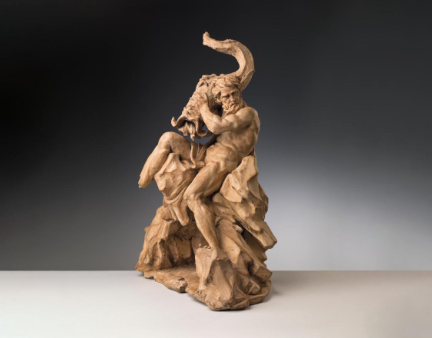
A Landmark in Modern Figurative Sculpture Education
In contemporary figurative sculpture, few books manage to bridge tradition and modern practice as effectively as The Figure in Clay. Rather than functioning as a simple technical manual, the book positions itself as a comprehensive exploration of how artists today approach the human figure through clay. Its importance lies not only in technique but also in mindset—encouraging sculptors to think critically about form, gesture, and meaning.
Emphasis on Process Over Formula
One of the book’s defining strengths is its focus on artistic process. Instead of prescribing rigid steps, it documents how master sculptors observe, interpret, and respond to the human body. Readers gain insight into proportional decision-making, anatomical abstraction, and expressive distortion, all of which are essential in contemporary figurative work. This approach reflects how real sculptors work in studios rather than classrooms.
Diverse Voices and Contemporary Perspectives
Unlike many older sculpture texts centered on a single authorial voice, The Figure in Clay presents multiple contemporary artists, each with a distinct visual language. This diversity exposes readers to a wide range of stylistic solutions, from realistic anatomy to highly expressive forms. As a result, the book feels relevant to sculptors working across fine art, public sculpture, and conceptual practices.
Bridging Classical Knowledge and Modern Expression
While firmly contemporary, the book does not dismiss classical foundations. Anatomy, balance, and structural integrity remain central themes. However, these principles are presented as tools rather than constraints. The book demonstrates how classical knowledge can support innovation rather than limit it, making it especially valuable for artists navigating between tradition and experimentation.
Long-Term Value for Figurative Artists
Ultimately, The Figure in Clay stands out because it remains useful beyond a single reading. Artists return to it not for quick answers but for guidance, inspiration, and reflection. Its enduring relevance makes it an essential reference for sculptors seeking to develop a mature, contemporary approach to the human figure.