
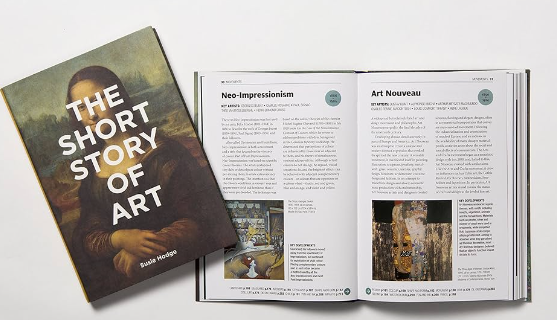
The Story of Art provides a clear and accessible framework for understanding major sculpture movements, making it an invaluable resource for readers seeking to grasp how three-dimensional art evolved over time. Rather than isolating movements, the book emphasizes continuity, showing how each period builds upon or reacts against earlier traditions.
Classical Sculpture and Ideal Form
The book’s discussion of Classical sculpture highlights the pursuit of idealized human form. Proportion, harmony, and balance are presented as central values, particularly in ancient Greek sculpture. This period established foundational principles of anatomy and realism that influenced Western sculpture for centuries.
Renaissance Sculpture and Humanism
Renaissance sculpture represents a turning point in artistic intent. Sculptors began to focus on individual expression, psychological depth, and technical mastery. The book explains how renewed interest in classical antiquity combined with humanist philosophy to produce works that felt both intellectual and emotional. Sculpture became a medium for storytelling and philosophical reflection.
Baroque Sculpture and Movement
Baroque sculpture is explained as a dramatic response to Renaissance restraint. Emphasis shifted toward motion, tension, and theatricality. Figures twist, extend into space, and engage the viewer emotionally. The book’s treatment of this movement is particularly valuable for understanding how sculpture can control visual rhythm and viewer perspective.
Modern Sculpture and Conceptual Shifts
As the narrative moves into the modern era, sculpture is no longer defined solely by realism or craftsmanship. The book explains how abstraction, experimentation, and new materials transformed sculpture into an exploration of ideas rather than representation. Space, void, and concept become as important as physical form.
Why These Movements Still Matter
By explaining sculpture movements within broader historical contexts, The Story of Art helps readers understand why sculptural styles change. This perspective is essential for artists, collectors, and students seeking to interpret or create meaningful three-dimensional work today.