
How Rodin on Art and Artists Reveals Creative Passion
Understanding the relationship between art and the artists who create it can unlock a deeper appreciation for both. Auguste Rodin, one of the most influential sculptors of the late 19th and early 20th centuries, offers profound insights into the essence of creativity. His reflections inspire both aspiring artists and art lovers to explore the vibrancy of human expression.
- The Essence of Emotion in Art
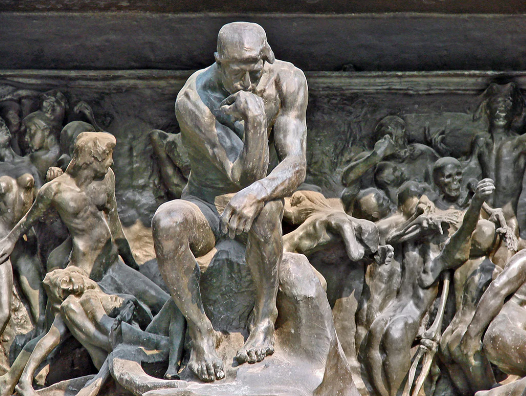
Rodin believed that art should be a tangible reflection of deep human emotion. He emphasized that the artist’s passion must resonate in their work, often leading to sculptures that communicate feelings of love, pain, and joy. His work, such as “The Thinker” or “The Kiss,” showcases the intense emotional depth he imparted. This perspective encourages contemporary artists to pour their own experiences into their creations, resulting in art that feels more genuine and relatable.
- The Role of Imperfection and Process
Another vital lesson from Rodin is the appreciation of imperfection in art. He famously stated, “There is no such thing as a finished work, only abandoned ones,” highlighting the importance of the creative process over the final product. This idea can liberate artists from the pressures of perfectionism, allowing them to experiment and learn through their mistakes. By embracing imperfection, artists cultivate their unique style and voice, leading to more authentic creations.
- The Connection Between Artist and Audience
Rodin also emphasized the vital connection between the artist and the viewer. He believed that true art must evoke a response, sparking a dialogue between the two. This interaction invites audiences to engage with the art on a personal level, reflecting their own experiences and emotions. By focusing on this connection, artists can create works that resonate more profoundly with their audiences, enhancing the overall impact of their artistry.
In conclusion, Rodin’s insights into art and the creative process remain essential for anyone interested in art, whether as a creator or enthusiast. His beliefs encourage us to explore our passions, embrace imperfection, and connect deeply with others. Why not delve deeper into the world of Rodin and uncover more about how his legacy continues to inspire? Discovering the emotional landscape behind art can ignite your own creative journey.