
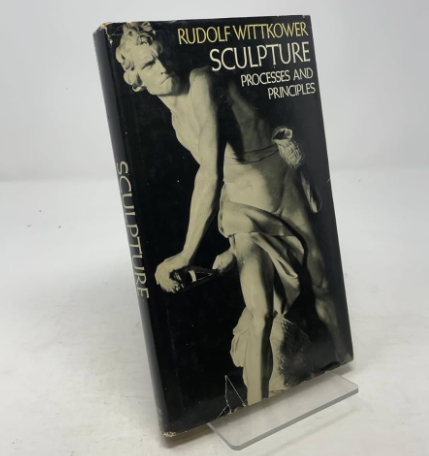
Reading Space and Volume in Sculpture: Processes and Principles
Understanding the interplay of space and volume in sculpture is essential for both artists and enthusiasts alike. These elements not only define the physical presence of a sculpture but also influence how it interacts with its surroundings and the viewer. Exploring these principles deepens our appreciation of art and enhances our own creative practices.
- The Importance of Space in Sculpture
Space in sculpture refers to the area surrounding the work, which can dramatically affect how it is perceived. Artists often consider negative and positive space, where negative space can complement the form, drawing the viewer’s eye around the sculpture. For instance, a piece that plays with open areas can create tension or invite exploration, encouraging observers to move around it. Understanding space helps sculptors decide where to place their work, ensuring it harmonizes with its environment, whether indoors or outdoors.
- Exploring Volume: The Physical Form
Volume is the three-dimensional form of a sculpture, encompassing its mass and structure. It encapsulates not just the solidity of the material but also the emotional weight the piece carries. An artist can manipulate volume to evoke feelings—larger forms might convey grandeur or importance, while smaller, intricate pieces can evoke intimacy or delicacy. By experimenting with different volumes, artists can create varied focal points and tactile experiences that resonate with viewers on a deeper level.
- Processes of Creating Spatial and Volumetric Relationships
The processes involved in crafting sculptures require an understanding of both space and volume. Techniques like subtraction, where material is removed to reveal form, and addition, where materials are built up, both rely heavily on the manipulation of these elements. Advanced methods such as casting and assembling allow artists to experiment with different materials and shapes, creating unique spatial dynamics. Additionally, modern technology, such as 3D modeling software, enables sculptors to visualize and adjust volumes and spaces before physical creation, opening up new avenues for creative exploration.
In conclusion, delving into the principles of space and volume in sculpture enriches our understanding of art. Whether you’re an aspiring artist or an admirer, recognizing these elements can deepen your appreciation of the craft. So, why not take a trip to a local gallery or try your hand at sculpting? There’s a whole world of creativity waiting to be explored!