
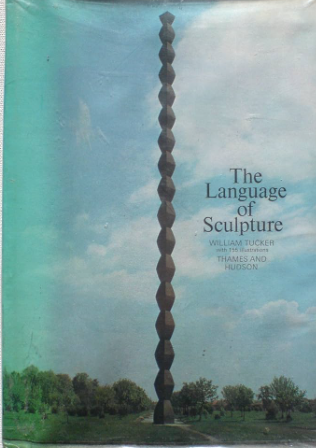
Sculpture is more than just a physical representation; it serves as a powerful medium that influences how we perceive and understand the world. The language of sculpture encompasses forms, materials, and spatial relationships, all of which ignite our visual thinking and inspire creativity. By exploring how these elements interact, we can better appreciate their role in shaping our thoughts and emotions.
1. The Power of Form
Form is the foundation of sculpture, providing the essential structure upon which all other elements depend. Different shapes evoke distinct emotional responses; for example, curvilinear forms often convey softness and fluidity, while angular shapes can suggest rigidity and strength. Understanding how these forms communicate can sharpen our visual literacy, enabling us to interpret and engage with art more deeply. As a result, the appreciation of form encourages us to look beyond surface appearances and delve into the stories and emotions that sculptures express.
2. Material Matters
The choice of material in sculpture plays a pivotal role in the narrative the piece conveys. From marble to metal to wood, each medium has its own texture, weight, and color, influencing how viewers perceive the work. For instance, the lustrous finish of bronze can evoke a sense of timelessness, while the rough texture of clay might imply a connection to the Earth and human touch. By exploring the properties of various materials, artists and viewers alike can expand their understanding of visual thinking, enabling a richer dialogue between art and observer.
3. Spatial Relationships
Sculpture exists in three dimensions, and its spatial relationships challenge us to navigate and contextualize our environment. Unlike paintings, which are primarily two-dimensional, sculptures invite viewers to move around them, making distance and perspective vital to their appreciation. This dynamic interaction fosters critical thinking about space, prompting us to consider how objects relate to one another and to us. By engaging with spatial relationships, we enhance our ability to visualize concepts and ideas, thereby enriching our overall creative experience.
Conclusion
The language of sculpture is a unique and compelling approach to enhancing visual thinking. By examining form, material, and spatial relationships, we can gain deeper insights into how art influences our perception of the world. So why not take the next step? Visit a local gallery, engage with the sculptures around you, and discover how these captivating forms can inspire your creativity and broaden your understanding.