
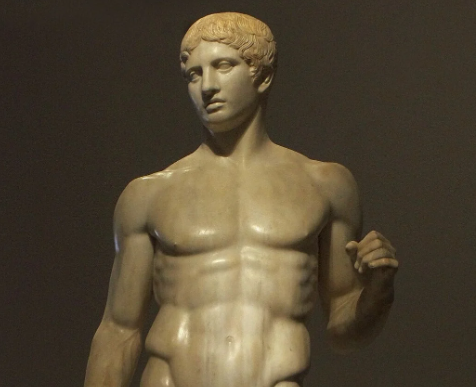
Classical Beauty Explained in Greek Sculpture: The Classical Period
The beauty of Greek sculpture during the Classical period captivates art lovers and historians alike. This era, characterized by its idealized forms and dynamic compositions, reflects not only the aesthetics of ancient Greece but also its cultural values. Understanding the essence of Classical beauty can enrich your appreciation for art and its impact on our perception of beauty today.
1. The Characteristics of Classical Sculpture
Classical Greek sculpture is renowned for its emphasis on proportion, balance, and harmony. Artists like Phidias and Polykleitos developed a system of proportions that created a sense of perfection and idealism in their works. Driven by a belief in the beauty of the human form, sculptors created life-sized representations of gods, athletes, and other figures, capturing both physical strength and emotional expression. Their attention to detail, from the flowing drapery of garments to the intricate textures of hair, showcases the skill and dedication of these ancient artisans.
2. The Influence of Naturalism
One of the most striking features of Classical sculpture is its naturalism. Artists sought to depict their subjects with realistic skin tones, anatomical accuracy, and lifelike poses. This effort to portray figures as they might appear in real life was revolutionary for the time. A significant example is the famous statue of the Discobolus (the Discus Thrower), which demonstrates both movement and grace, showcasing an idealized athletic form while celebrating the beauty of human capability. This movement toward naturalism set the stage for future artistic developments and remains influential in art history today.
3. The Role of Mythology and Culture
Mythology played a pivotal role in the themes and subjects of Greek sculpture. Many works were created to honor the gods and celebrate mythology, reflecting the values and beliefs of ancient Greek society. For example, the Parthenon sculptures depict scenes from mythology, promoting civic pride and collective identity. These works not only served religious purposes but also conveyed moral lessons and cultural narratives, solidifying the connection between art, religion, and community life. The stories told through these sculptures continue to resonate, providing a lens through which we can explore ancient Greek culture.
In conclusion, the Classical period of Greek sculpture remains a foundational aspect of art history, embodying ideals of beauty, naturalism, and cultural significance. Whether you’re an art enthusiast or a casual observer, delving into the intricacies of this period can provide a deeper understanding of artistic expression throughout time. Explore further and uncover the timeless allure of Classical beauty in sculpture!