
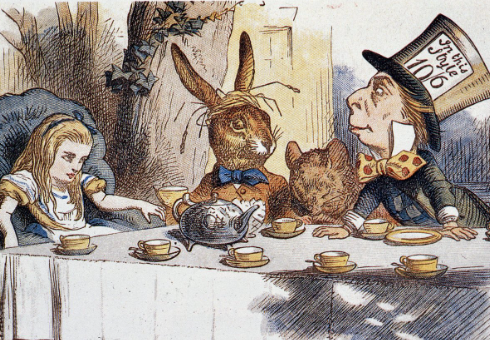
Exploring the imaginative world of Tenniel’s illustrations, particularly in “Alice’s Adventures in Wonderland,” opens a gateway to understanding how visual art complements literature. This topic reveals the layers of creativity and artistry that can enhance a reader’s experience, making both the text and accompanying imagery timeless masterpieces. Understanding the interplay between Tenniel’s illustrations and Carroll’s text can enrich one’s appreciation for literary art as a whole.
The Life of John Tenniel
John Tenniel was a British caricaturist and illustrator who gained prominence in the 19th century. His early career included contributing to various Punch magazine articles, honing his unique style of depicting humor and satire. However, it was his collaboration with Lewis Carroll that cemented his legacy, particularly through his iconic illustrations in “Alice’s Adventures in Wonderland” and its sequel, “Through the Looking-Glass.” Tenniel’s ability to translate Carroll’s whimsical narrative into visually striking images brought depth to the characters and settings of Wonderland.
The Significance of Tenniel’s Illustrations
Tenniel’s illustrations are not mere decorations; they serve as integral components of the storytelling process. Each image encapsulates the mood, tone, and eccentricity of Carroll’s narrative, bridging the gap between the written word and visual representation. His meticulous attention to detail and ability to capture expressions breathe life into characters like the Cheshire Cat and the Mad Hatter, making them unforgettable. This synergy between text and illustration invites readers into a fully realized fantasy world, enhancing their emotional and psychological engagement with the story.
The Artistic Techniques Used
Tenniel employed a blend of wood engraving techniques combined with a keen sense of line and form, which gave his illustrations a distinctive clarity and charm. His use of contrast and shading not only added depth to the characters but also accentuated their whimsical features, grounding them in the fantastical settings. Moreover, Tenniel’s imaginative compositions often reflect the absurdities and curiosities present in Carroll’s writing, making them essential companions to the text. This artistic approach showcases how illustration can serve as a powerful storytelling medium in its own right.
In summary, delving into Tenniel’s visual artistry offers a refreshing perspective on his contributions to literature and illustration. By studying his work, readers can glean insights into how visual art enriches storytelling. Explore more about Tenniel’s illustrations and the enchanting world of Wonderland to deepen your understanding and appreciation of this literary masterpiece.