
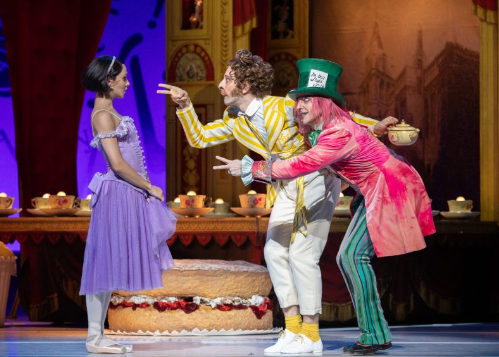
The Royal Ballet’s adaptation of “Alice in Wonderland” beautifully intertwines dance and literature, transforming Lewis Carroll’s whimsical tale into a mesmerizing performance. This production not only showcases the artistic prowess of the dancers but also invites audiences to explore the rich thematic elements of the story through the expressive medium of ballet. Engaging with such adaptations can deepen appreciation for both dance and literature, making them highly relevant in today’s artistic landscape.
The Artistic Vision Behind the Adaptation
<p”The Royal Ballet’s interpretation of “Alice in Wonderland” is a testament to the creative vision of choreographers and designers who aim to capture the essence of Carroll’s imagination. With vibrant costumes and imaginative set designs, the performance creates an enchanting atmosphere that breathes life into beloved characters like the Cheshire Cat and the Mad Hatter. This visually stimulating experience invites the audience to immerse themselves in a world where reality blurs with fantasy, highlighting the dreamlike quality of the narrative.
The Role of Dance in Storytelling
In “Alice in Wonderland,” dance serves as a primary storytelling device, conveying emotions and character dynamics that words alone often cannot express. Through movement, the dancers bring to life Alice’s curiosity and confusion as she navigates a fantastical realm that challenges her perceptions. The choreography intricately weaves together classical ballet movements and contemporary styles, creating a unique language that enhances the narrative’s whimsicality and depth. This powerful synergy between dance and storytelling elevates the performance and allows the audience to connect with the characters on a profound level.
The Impact on Audience and Culture
The Royal Ballet’s “Alice in Wonderland” has made a significant impact on both audiences and the broader cultural landscape. By merging classic literature with the art of ballet, this production resonates with diverse groups, sparking interest in both forms of expression. The performance fosters a dialogue around imagination and creativity, encouraging individuals to explore their own artistic inclinations. Such adaptations not only entertain but also inspire future generations to appreciate the beauty of storytelling through movement.
In conclusion, the Royal Ballet’s “Alice in Wonderland” is a remarkable blend of dance and literature that captivates the audience while reviving a classic story. By exploring the themes and artistry behind the performance, viewers are encouraged to engage with both ballet and literature in new and exciting ways. If you’re intrigued by this magical blend, consider attending a performance or diving deeper into the world of ballet and its literary adaptations.