
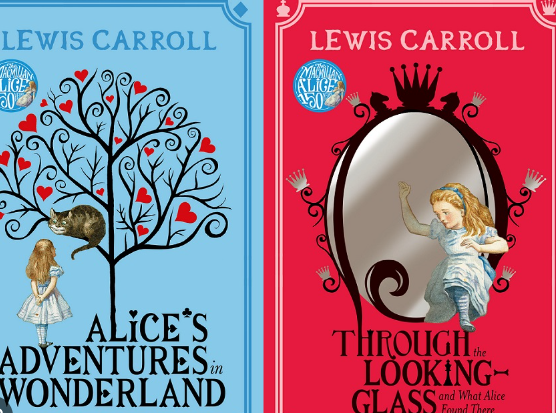
Alice Adventures in Wonderland and Through the Looking Glass are timeless works that have captured the imagination of readers across generations. Their exploration of whimsical characters and surreal landscapes not only entertains but also invites deeper reflection on the nature of reality and identity. Comparing these two texts reveals a fascinating evolution in Lewis Carroll’s storytelling and thematic depth.
Character Development and Themes
In Alice’s Adventures in Wonderland, Alice is characterized by her curiosity and innocence as she navigates a fantastical world filled with eccentric characters such as the Cheshire Cat and the Mad Hatter. The story predominantly explores themes of identity, growing up, and the absurdity of life. In contrast, Through the Looking Glass presents a more mature Alice, who exhibits a greater sense of agency and self-awareness. This sequel delves deeper into themes of duality and the complexity of existence, symbolized by the concept of a mirror world where everything is reversed.
Narrative Structure and Style
The narrative structure of both stories also differs significantly. Alice’s Adventures in Wonderland is more linear, as Alice follows a series of encounters in a dreamlike journey. The whimsical and nonsensical nature of this journey mirrors a child’s imaginative thought processes. On the other hand, Through the Looking Glass employs a more complex structure, utilizing a chessboard motif where each chapter corresponds to a move in a chess game. This structure adds layers of strategy and purpose, making the sequel feel more intentional and reflective of Alice’s maturation.
Symbolism and Cultural Commentary
Symbolism plays a crucial role in both texts, serving as a vehicle for cultural commentary. Wonderland is filled with absurdity that critiques Victorian society, emphasizing the irrationality of social norms and adult behavior. In contrast, Through the Looking Glass introduces more intricate symbols, such as the Red Queen’s race, which underscores themes of competition and determination. Here, Carroll shifts from mere whimsy to a deeper exploration of societal structures and individual ambition, reflecting a more nuanced understanding of human dynamics.
Both Alice Adventures in Wonderland and Through the Looking Glass offer a rich tapestry of themes and characters that resonate with readers of all ages. Their differences in narrative style, character development, and thematic depth highlight Carroll’s evolution as a writer. For those intrigued by the complexities of these texts, diving deeper into their symbolism and societal implications can provide a rewarding experience.