
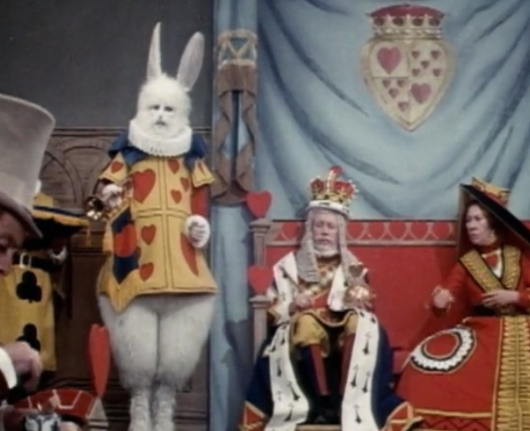
The 1972 film adaptation of “Alice in Wonderland” offers a unique lens through which to explore Lewis Carroll’s beloved tale. This version, often overshadowed by other adaptations, combines a distinctive visual style with a creative interpretation of the source material, making it relevant for both nostalgia and contemporary analysis. Revisiting this classic film invites a richer understanding of its artistic choices and cultural impact.
Visual and Musical Aesthetics
The 1972 adaptation stands out for its vivid visual aesthetics and engaging musical numbers. Directed by William Sterling, the film employs colorful costumes and whimsical set designs that bring the fantastical world of Wonderland to life. Coupled with an eclectic soundtrack, the music amplifies the narrative’s surreal qualities, showcasing the imaginative spirit of Carroll’s work. Viewers familiar with the story may find themselves enchanted by the juxtaposition of vibrant visuals and catchy tunes, which deepen the emotional resonance of the characters’ journeys.
Character Interpretation
This adaptation takes creative liberties in portraying characters, instilling them with fresh interpretations that contribute to the film’s charm. For instance, the Mad Hatter and the Cheshire Cat are depicted with distinctive personalities and quirks that may differ from traditional portrayals. These character choices help in crafting an interpretation that feels both familiar and offbeat, allowing audiences to engage anew with the beloved figures of Wonderland. This reimagining encourages viewers to question their assumptions about these iconic characters, fostering a dynamic interaction with the narrative.
Cultural Impact and Legacy
Although the 1972 adaptation might not be as widely recognized as other versions, it holds a special place in the film landscape. With its unconventional storytelling and imaginative visuals, it has sparked discussions regarding interpretation and adaptation in film. The film also reflects the changing tastes of the early ’70s, representing a transition towards more experimental cinema. By revisiting this film, audiences can appreciate its contributions to the larger narrative of “Alice in Wonderland,” celebrating its lesser-known yet significant legacy.
In conclusion, the 1972 adaptation of “Alice in Wonderland” is a fascinating piece of cinematic history worth exploring. Whether you’re a lifelong fan of Lewis Carroll’s tale or new to the story, this film presents a creative interpretation that can spark curiosity and conversation. Consider diving deeper into its artistic choices and cultural significance to enrich your understanding of Wonderland.