
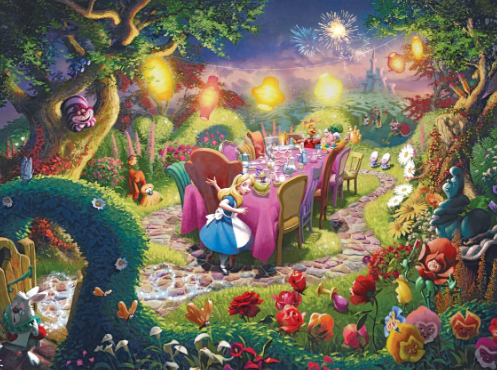
Exploring the whimsical world of Lewis Carroll’s “Alice’s Adventures in Wonderland” reveals a rich tapestry of themes, characters, and symbols. Among these, the Mad Hatter stands out not only for his eccentric behavior but also for his connection to madness and the art of tea-making, making this topic both intriguing and relevant for literary enthusiasts and casual readers alike.
The Symbolism of Madness
The concept of madness in “Alice’s Adventures in Wonderland” serves as a lens through which the absurdities of life can be examined. The Mad Hatter, with his nonsensical riddles and chaotic dialogue, embodies this theme, showcasing how societal norms can be challenged through madness. Carroll cleverly intertwines wit with wisdom, prompting readers to question the boundaries of sanity and the conventional understanding of reality. Such explorations are timeless reminders that what is deemed “mad” can often be a perspective on deeper truths.
Tea Time with the Mad Hatter
The Mad Hatter’s tea party is one of the most iconic scenes in the novel, emblematic of the absurdity that permeates Wonderland. At this gathering, time stands still, transforming the act of drinking tea into a peculiar ritual filled with witty exchanges and illogical behavior. This chaotic atmosphere invites readers to reflect on the significance of social customs and the ways in which they can sometimes feel confining. The tea party not only emphasizes the joy of camaraderie but also highlights the folly inherent in societal expectations.
Cultural Impact and Interpretations
The Mad Hatter has transcended the pages of Carroll’s work, influencing various adaptations and interpretations in popular culture. From Tim Burton’s cinematic portrayal to myriad illustrations and merchandise, this character continues to intrigue audiences across generations. The enduring fascination with the Mad Hatter signifies more than just a fanciful character; it embodies the struggle between conformity and individuality. As interpretations evolve, so does the relevance of madness intertwined with creativity, stimulating ongoing discussions in literature, psychology, and art.
Engaging with the intricacies of the Mad Hatter and the tea party in “Alice’s Adventures in Wonderland” opens up enriching dialogues about sanity, social practices, and creativity. Dive deeper into this enchanting world and discover more about how these themes resonate with contemporary life. Explore, question, and enjoy the delightful absurdity that Carroll has crafted!