
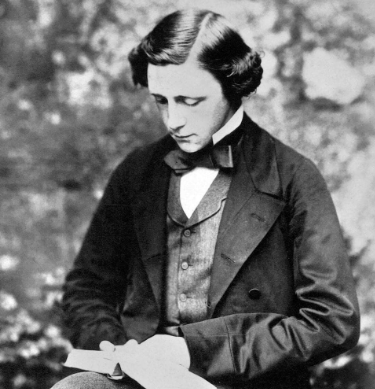
Exploring the intricacies of Lewis Carroll’s “Alice in Wonderland” reveals the brilliance and depth of his creative genius. The whimsical narrative, memorable characters, and clever wordplay have captivated readers for generations, making this work a vital part of literary history. Understanding Dodgson’s unique techniques can enliven our appreciation for his contributions to literature and inspire budding authors.
Playful Language and Wordplay
One of Carroll’s standout traits is his innovative use of language. He delights in puns, portmanteaus, and nonsensical phrases that challenge conventional narrative structures. This playful approach not only entertains but also invites readers to think more deeply about the nature of language itself. For instance, the famous phrase “vorpal sword” evokes a sense of wonder and curiosity, illustrating how Carroll encourages readers to explore imagination rather than relying on straightforward interpretations.
Complex Characters and Themes
Characters like the Mad Hatter and the Cheshire Cat serve as embodiments of deeper philosophical themes, such as identity, sanity, and the nature of reality. Carroll skillfully crafts these symbols, enabling them to resonate with both children and adults. The unpredictability of Alice’s encounters reflects the complexities of growing up and navigating through life’s absurdities. The layering of these themes demonstrates Carroll’s ability to intertwine whimsy with profound commentary, making the narrative both entertaining and thought-provoking.
The Influence of Mathematics and Logic
Carroll, known for his background in mathematics, infuses “Alice in Wonderland” with logical paradoxes and mathematical concepts. This unique blend of logic and creativity showcases how he skillfully balances two seemingly disparate domains. The structure of the narrative often resembles a mathematical problem, leading Alice through a series of puzzles and riddles. This integration enhances the text’s educational value, allowing readers to engage with concepts that extend beyond mere storytelling.
In summary, Lewis Carroll’s genius in “Alice in Wonderland” lies in his masterful command of language, complex character development, and the intertwining of logic with imaginative storytelling. By delving deeper into his techniques, readers can gain insights into both the narrative and their own creative pursuits. If you’re intrigued by Carroll’s work, consider exploring more of his writings or similar literary pieces that challenge conventional storytelling conventions. Happy reading!